

Stop Fighting Your SIPA Oven: Why Your Bottles Are Coming Out Uneven
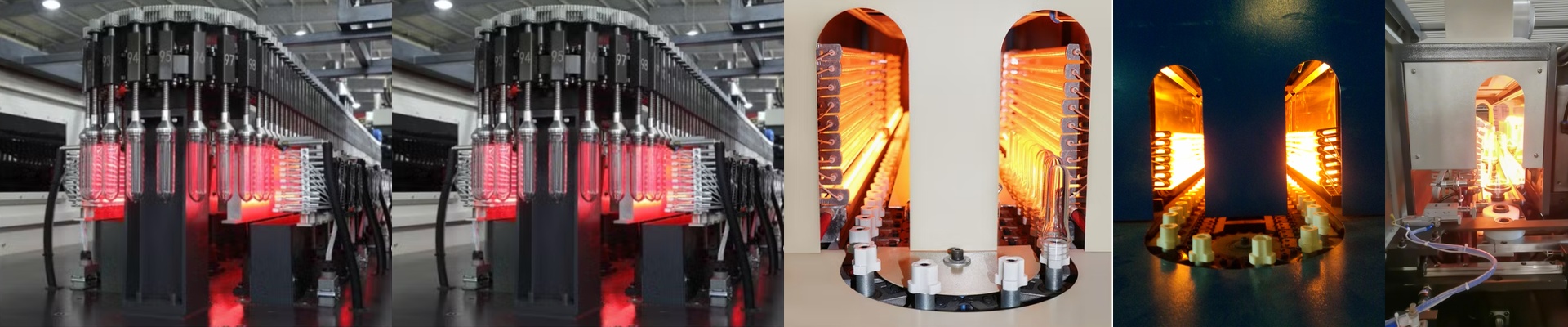
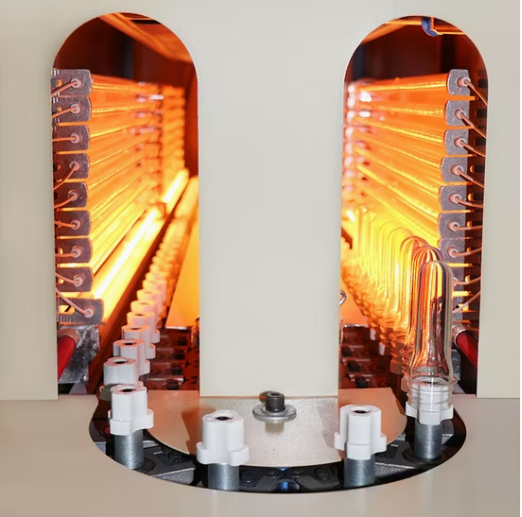
If you’re running a SIPA rotary machine, you know the frustration of seeing wall thickness variation. One bottle is perfect, the next has a thin spot, and suddenly you’re dealing with failures that slow everything down. Most people assume the oven design is the problem. Usually, it isn’t. The real culprit? Your IR lamps are wearing out. Here’s the trap: when you mix a few brand-new lamps with old, tired ones—or worse, throw in a replacement with the wrong wattage—you create “cold spots.” It ruins your cycle and turns your production into a guessing game. The trick is power matching. We make our replacement lamps to be dead-on consistent. If your machine is set for a specific voltage and wattage, even a tiny 5% slip can shift the infrared spectrum. That might sound like a technicality, but it’s actually how the PET resin “feels” the heat. By sticking exactly to the original specs, you can just swap a bulb and keep moving without spending an hour recalibrating your heating profiles. It’s all in the details. We use high-purity quartz glass because these lamps go through a brutal cycle of heating and cooling. They’re shortwave IR halogen, built to take the shock. We also pay a lot of attention to the R7s and SK15 connectors. Why? Because a loose fit is a nightmare. It creates electrical resistance, which burns out your sockets and makes the lamps flicker. A tight fit means a stable machine. Getting them in (and keeping them alive) These are simple drop-in replacements. Pull the old tube, slide these in, wire them up, and you’re back in business. But a quick word of advice: high-wattage lamps put out a massive amount of heat. If you’re cranking the power to make up for a slow line speed, your cooling fans have to be spot on. If they’re clogged with dust, the quartz envelope will overheat and die way faster than it should. And do yourself a favor—keep those reflectors polished. You want that heat hitting the preform, not soaking into the frame of your machine.