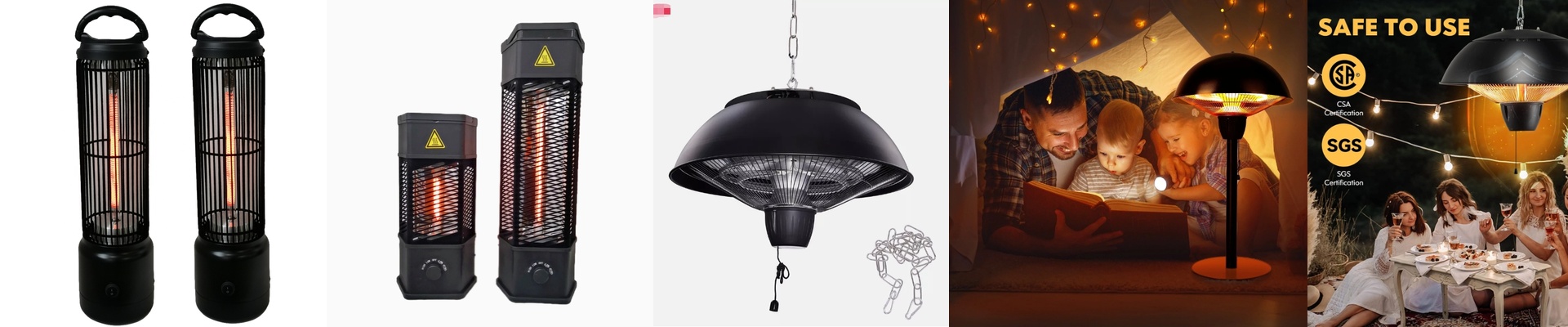
Getting the Heat Right in Rotary IR Ovens
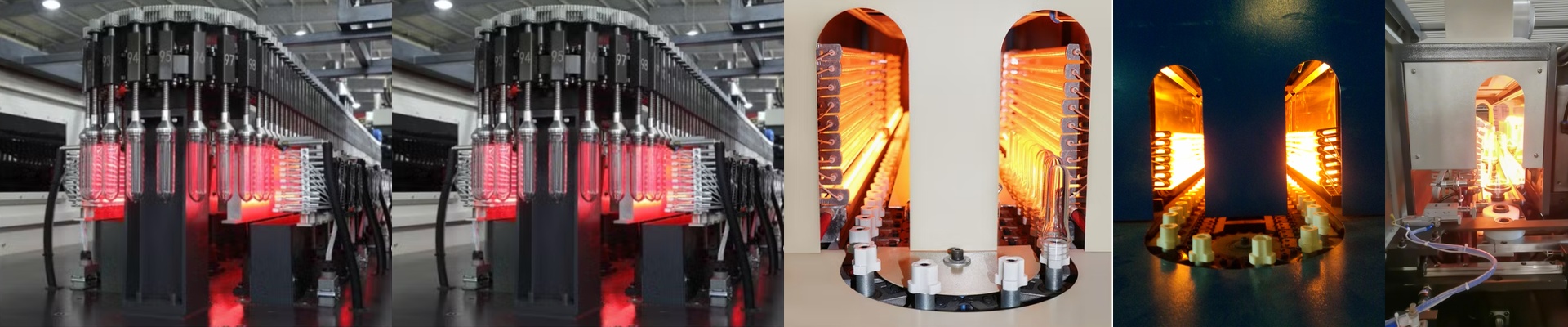
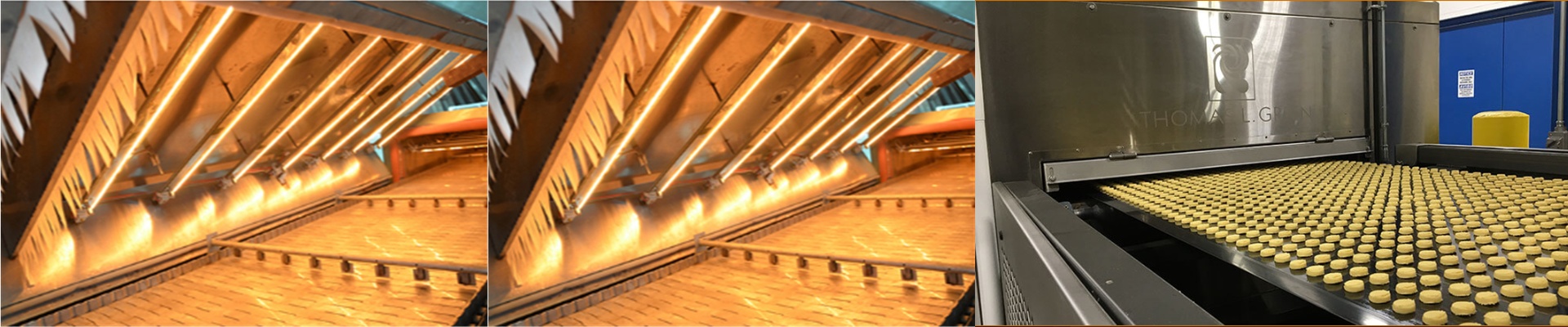
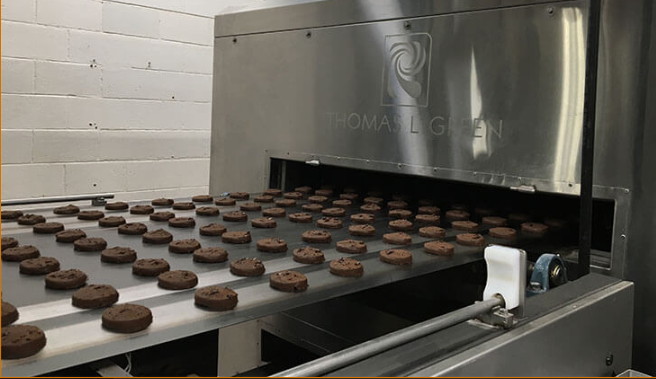
Ever notice how standard convection ovens can leave your food feeling a bit… dead? It’s because hot air tends to suck the moisture right out of the surface before the middle even gets warm. We do things differently. We use short-wave infrared (IR) lamps tucked into stainless steel rotary assemblies. Instead of relying on air, the energy goes straight into the food.
The Secret to a Perfect Sear
Here’s the thing: if you just blast food with heat, you’ll dry it out. You have to manage the energy flow. We set these lamps to give a concentrated burst of radiant energy. It hits the surface fast, creating a quick sear that acts like a seal, locking all those juices inside. But you can’t just leave it on high. If you do, you’ll burn the outside while the inside stays raw. We spend a lot of time balancing the wattage with how fast the oven rotates. The goal is to move the food through that “hot zone” quickly enough that it doesn’t dehydrate.
The Gear Under the Hood
We stick with high-grade stainless steel for the housings and reflectors. Why? Because food fats and steam are nasty—they’ll eat through cheaper materials. The lamps themselves are quartz-halogen. We use quartz because it can handle the shock of being turned on and off rapidly without just cracking. And since these things pull a lot of power, we use heavy-duty wiring to handle the initial spikes. We also polish the reflectors to a mirror finish. It keeps the IR waves pointed at the food, rather than wasting energy heating up the oven’s frame.
The Trade-offs
Nothing is perfect. High-intensity lamps are fast, but they create a massive amount of localized heat. That means your ventilation has to be spot on. If the air around the lamp sockets gets trapped, you’re going to fry your wiring or kill the lamps. Plus, you’ve got to keep them clean. Just one little splatter of grease on a quartz tube can create a hot spot, and then—pop—the tube blows. Keep them sparkling, and they’ll last.