Dealing with Heat in Steam Convection Ovens
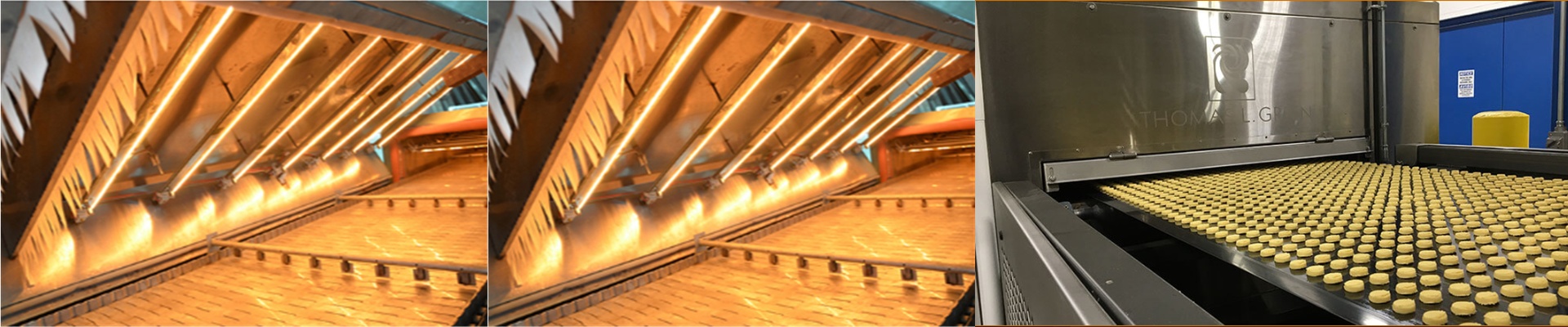
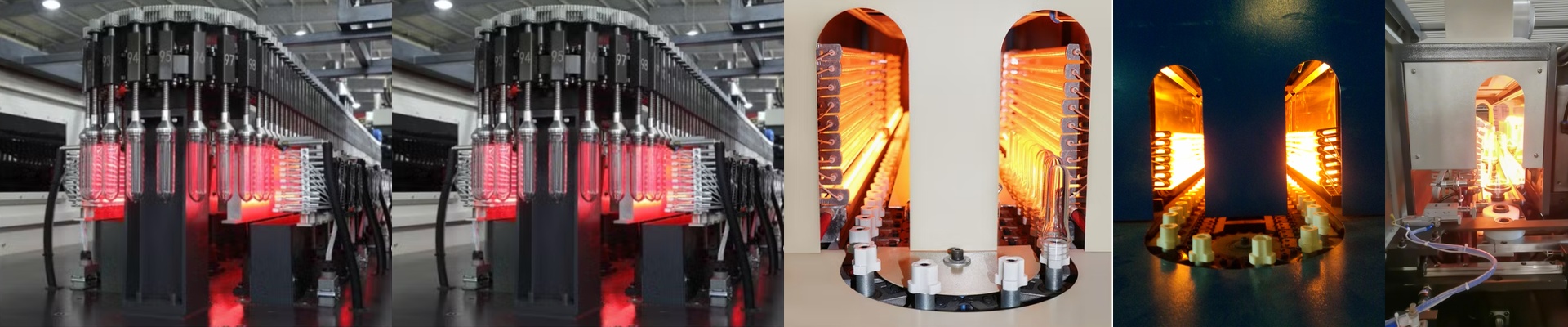
If you’ve ever worked with steam convection ovens, you know they can be a nightmare. You’re fighting a constant battle between high humidity and forced air, which usually leads to those annoying temperature swings that mess up your batch. We found a way around this using fast-response infrared (IR) emitters. Instead of relying on standard resistive coils—which have to waste time heating up the air around them—IR lamps just beam the energy straight to the target. It’s fast. Really fast.
Why the speed actually matters
We use short-wave halogen tech here. The reason? It lets the lamp hit the target temperature in a matter of seconds. When your PID controller asks for more heat, the filament reacts almost instantly. You don’t get that frustrating “undershoot” where the oven struggles to catch up. This means you get way more control over your crust or core temperatures because you aren’t dealing with the thermal lag of a big, clunky metal element.
Keeping things from breaking
Steam is brutal on equipment. To stop these lamps from just popping, we use high-purity quartz envelopes. Quartz can take the shock of rapid heating and cooling without cracking. We also add specific coatings to the glass. This tunes the heat so it actually sinks into the food rather than just warming up the steam clouds floating around the oven. And because nobody likes spending hours on repairs, we use standard industrial connectors. They’re basically drop-in replacements. Swap them out, and you’re back in business.
The trade-off
Now, there is a catch. High-wattage IR emitters pack a massive punch. Since the energy is so concentrated, you can end up with hot spots if your convection fans aren’t dialed in. It’s a balancing act. You have to make sure the airflow is moving fast enough to spread that heat, or you’ll scorch the product. Plus, if you crank the wattage too high without enough air moving around, you’ll actually overheat the filament and kill the lamp early. It’s all about finding that sweet spot between radiation and airflow.