Making 1000W Infrared Lamps Work in Smart Kitchens
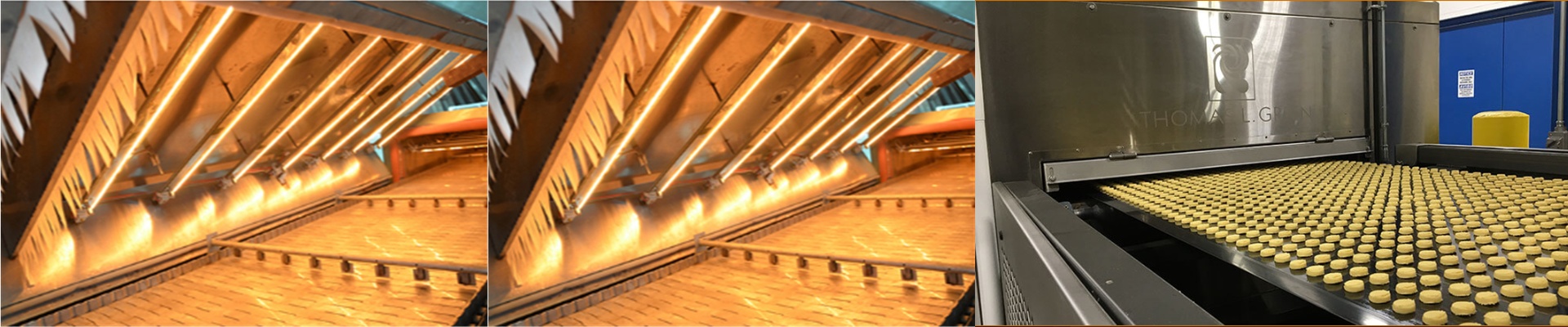
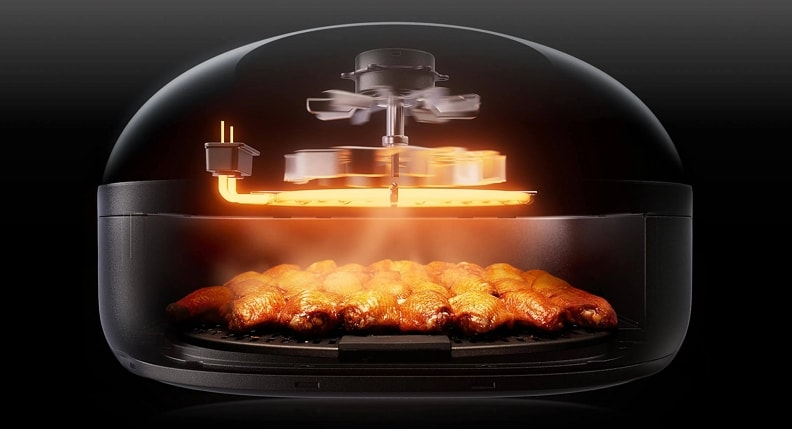
Modern smart ovens need more than just “lots of heat.” If you’re building AI-driven cooking profiles, you need precision. That’s where a 1000W infrared lamp comes in. It’s the heavy lifter here, giving you the kind of snap-response time you need to keep temperatures exactly where they should be. Why the power matters A 1000W rating lets you pack a ton of heat into a tiny space. We use quartz glass envelopes because they let the filament hit operating temperature almost instantly. No more waiting around for old-school metallic elements to warm up. It’s fast. Really fast. Plus, since the lamp has a direct line of sight to the food, you aren’t wasting energy just heating up the air inside the oven. Getting the specs right We fill these lamps with halogen gas. It keeps the filament from burning out too quickly and ensures the heat stays consistent. And look, we know every chassis is different. If you’ve got a specific CAD drawing, we can build to it. Whether it’s a certain length, a specific connector, or exactly how much wattage you need per centimeter—we’ve got you covered. One quick tip: if you’re using a PWM controller to hold a tight temperature, double-check your circuitry. Those inrush currents can be a beast. The real-world stuff Here’s the thing about short-wave radiation: it’s intense. While it makes cooking lightning-fast, it puts a lot of stress on the housing. You’ll want to be smart about your insulation and ventilation. If you don’t, your control board might start cooking itself. Also, watch your spacing. If the lamp is too close, you’ll char the outside of the food before the middle even gets warm. It’s all about finding that sweet spot between the distance and the duty cycle.