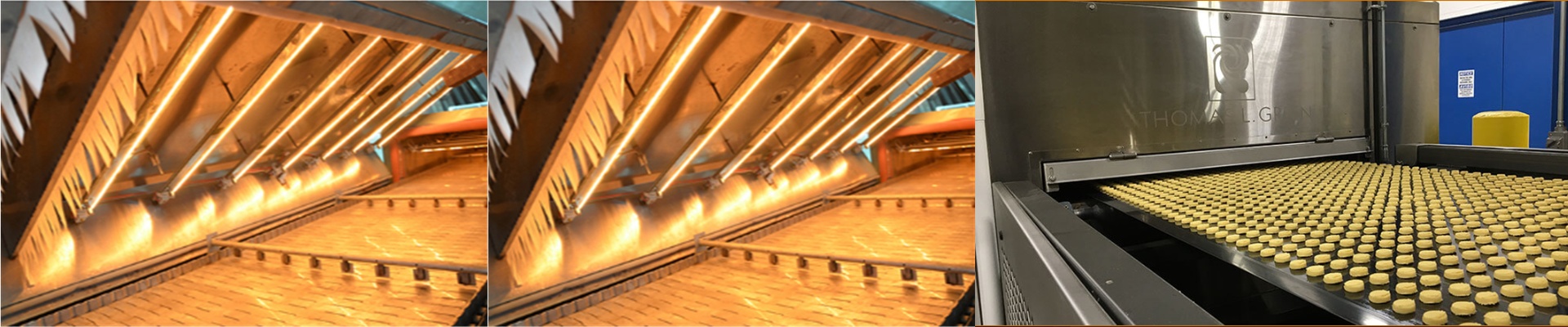
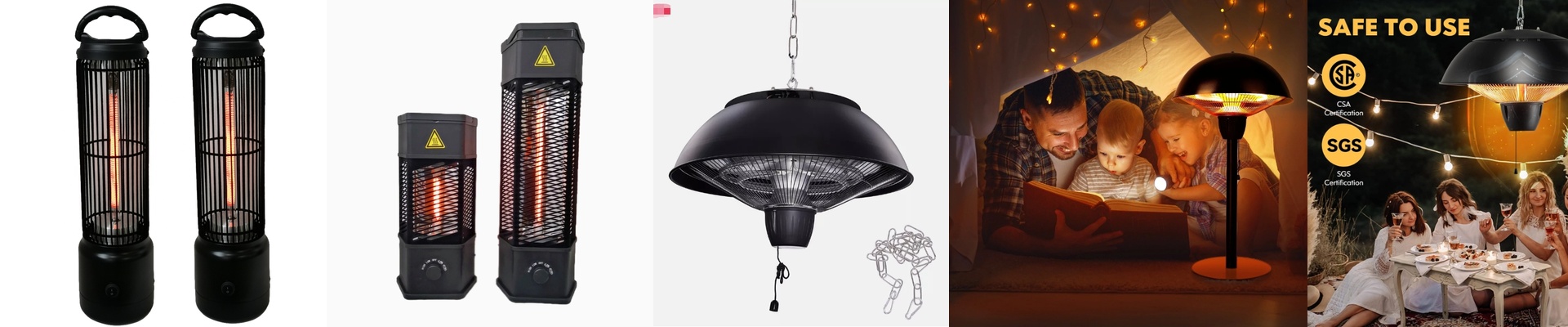
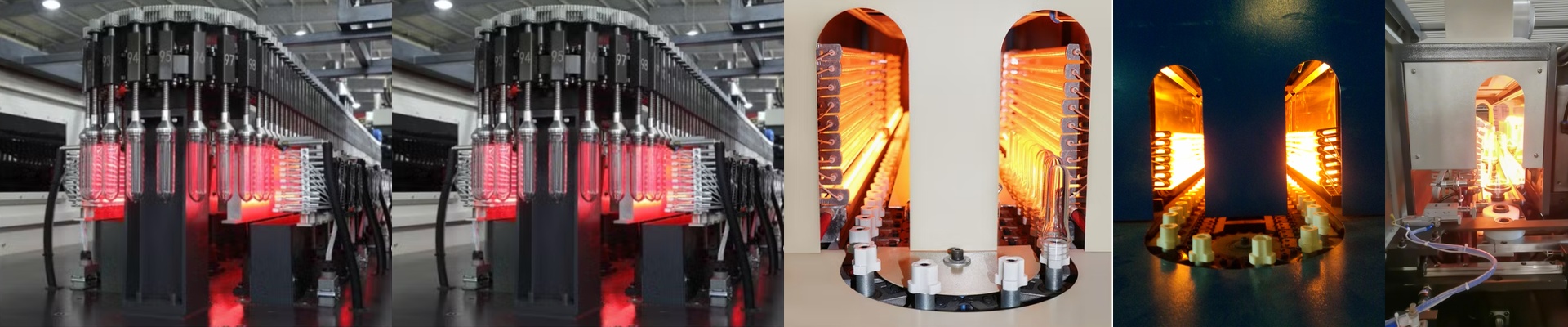
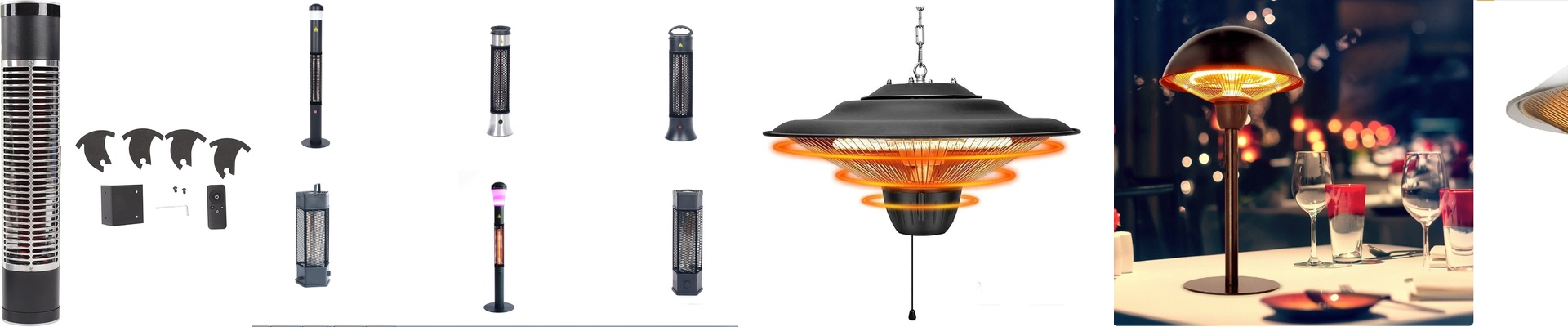
When your portable deck oven starts giving you grief—thick spots on the crust, uneven bakes, and preheat taking forever—you know where to look first. The heating element. A tired tube doesn’t just drag you down; it knocks the whole heat balance out of whack, and that’s what makes deck baking work. Swap in the right replacement infrared tube, and you get the baking chamber back to the temperature profile you count on, fast. What matters, technically We build these replacement tubes around infrared radiation because it delivers direct, line-of-sight energy. It heats the stone hearth and the dough surface without cooking the air, so the oven recovers quickly after you load it. That means instant response and tight temperature control—exactly what drives consistent caramelization and a clean rise. The tube runs on standard voltage and matches the original mounting points and terminals on common portable deck ovens, so the install is straightforward. In a busy bake station, time and temperature are the same currency. With this tube, the oven hits setpoint fast, then holds steady through back-to-back cycles. You get even browning across the whole deck, fewer under- or over-baked edges, and a more predictable bake every time. That translates to quicker turnarounds, less waste, and lower energy use per bake because the oven isn’t constantly chasing temperature. Installation is quick, but alignment matters. The tube has to sit parallel to the deck and be spaced correctly so the radiation spreads evenly across the stone. Check the reflector condition, and keep those terminal connections clean and tight. Just keep in mind infrared tubes are sensitive to airflow and ambient heat. In a very hot kitchen, expect a slightly shorter service life and plan to keep spares on hand during peak season.