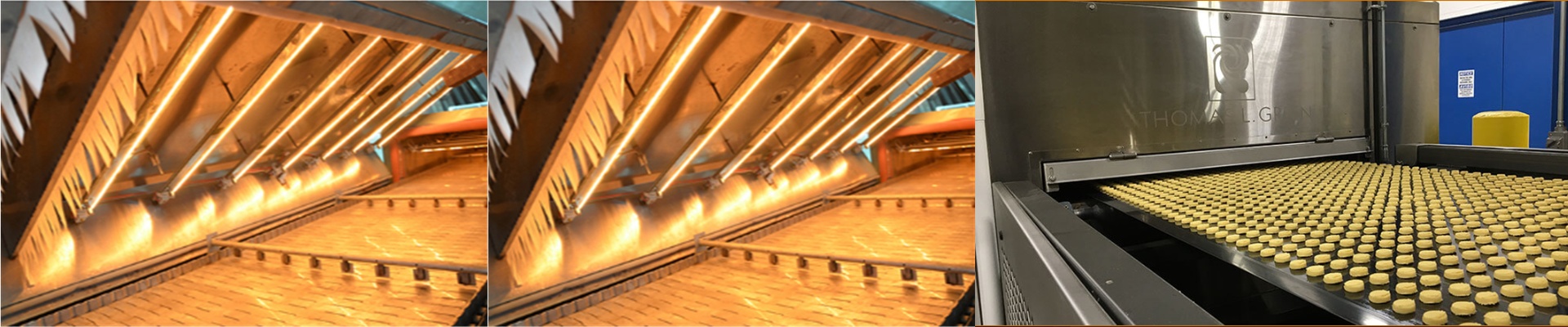
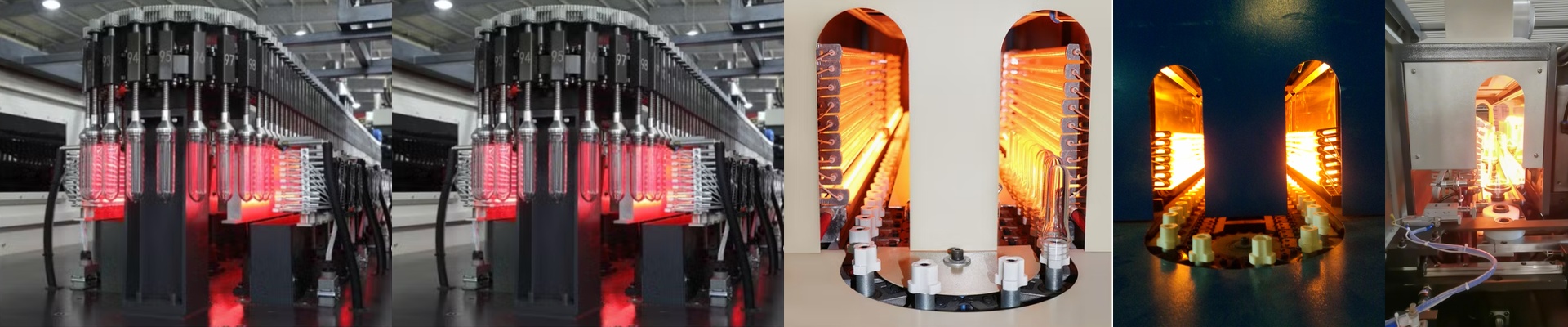
When that toaster line is moving fast, hitting a golden crust instead of a pale, soggy slice often comes down to the heating element. Infrared heat goes straight to the surface, and a 300W infrared bulb gives you the control to nail that sweet spot—quick.
What matters, technically
We spec this bulb at 300W, 120V, with a quartz envelope and a short-wave infrared profile. The filament design focuses the energy where it counts: on the face of the slice, not the air around it. That translates to a fast ramp to operating temperature, steady output through a run, and color you can count on from first pass to last. In a toaster, the bulb sits close to the bread path, so wattage density and beam pattern matter more than brute power. A 300W rating is enough to drive crisp caramelization without overshooting into scorch, and the response time keeps up when conveyor speeds change.
Why it fits this setup
On a busy bakery or sandwich line, toaster throughput is measured in seconds. Infrared delivers surface heat immediately, so the exterior sets fast while the interior stays tender—exactly the texture you want. You get even browning across the slice, fewer stripes or hot spots, and a more consistent bite. The concentrated heat also tightens the toasting window. That can trim energy use per cycle and keep things moving at the pass-through window.
The practical details
Installation is straightforward, but fit is non-negotiable. Check the socket type, mounting clearance, and airflow around the bulb before you order. Keep reflectors clean and aligned. If they’re off, you’re scattering heat and asking for uneven color. Expect serious output right in the immediate zone—keep combustibles and sensitive components at the recommended distance. Handled properly, these bulbs have a long service life. Still, like any high-temperature element, they need the right housing and stable voltage to perform consistently.