When the rush hits, heat has to be where you need it—right now. A deck oven that drags on recovery, or a warming station that can’t hold steady, turns consistency into a crapshoot. That’s where the kitchen clear quartz infrared bulb earns its keep: direct, controllable radiant heat that snaps the baking chamber back to temp and holds without chasing the needle. In a busy commercial kitchen, warmth isn’t the goal. Predictable energy is. Infrared sends heat straight to the target—toppings, crust edges, pans, plates—so you get faster response, tighter control, and fewer swings between underdone and overdone.
What matters, technically
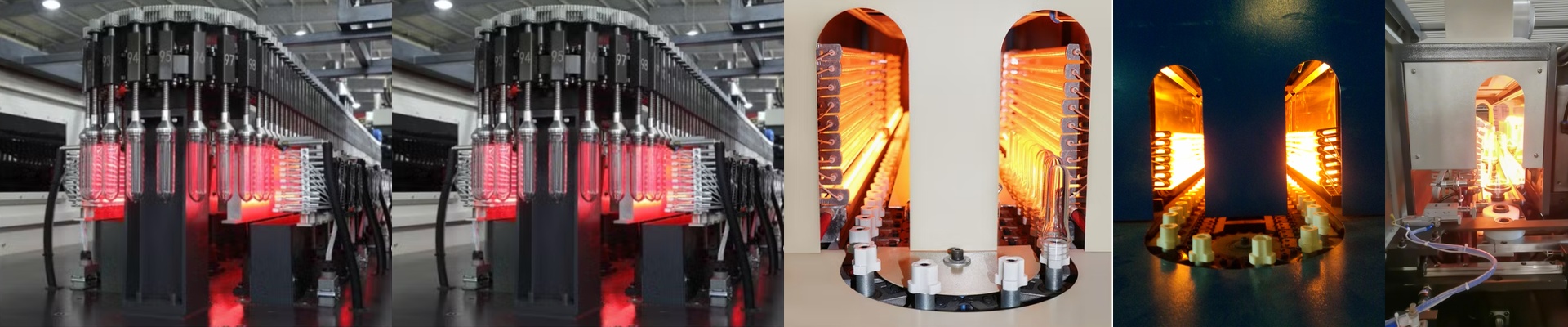
At the core, it’s short-wave infrared delivered through a clear quartz envelope. Quartz transmits infrared cleanly and handles thermal shock when you’re cycling heat on and off during service. We shape the filament and reflector geometry to concentrate the energy where you point it. That focus matters in a deck oven, where you want even coverage across the stone hearth without hot spots. It matters just as much in food warming, where steady radiant output holds temperatures without drying food out. Key practical details:
- Wavelength: Short-wave infrared for rapid response and precise intensity control.
- Envelope: Clear quartz for high transmission and durability under repeated cycling.
- Power density: Output tuned for fast recovery in baking chambers and stable holding in warming wells.
- Mounting: Compact form with standardized brackets and terminals for straightforward replacement.
- Control compatibility: Works cleanly with thermostats and solid-state controllers, so you can dial in the heat instead of guessing. Numbers only matter when they translate into control. With this bulb, you feel it in how quickly the deck recovers after a new load, and how solidly the holding zone holds when the tickets pile up.
Why it works where you need it
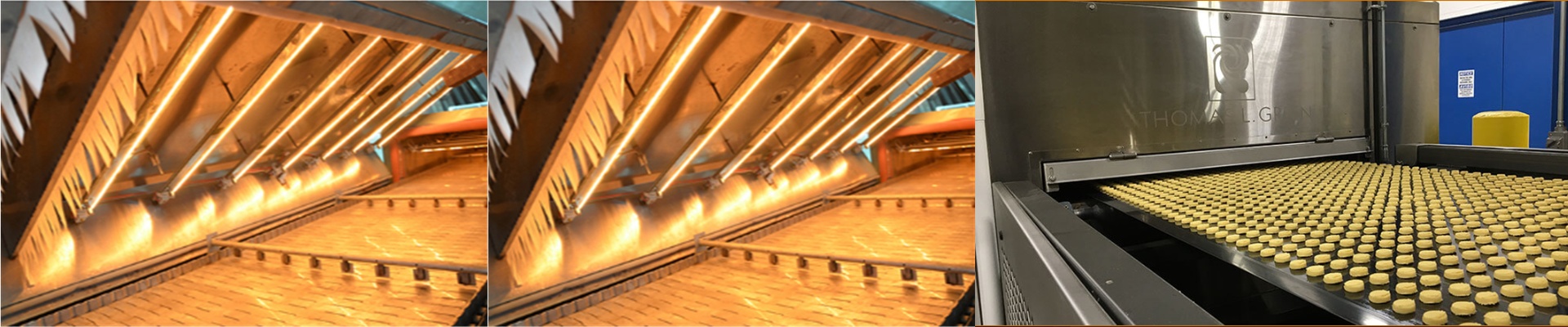
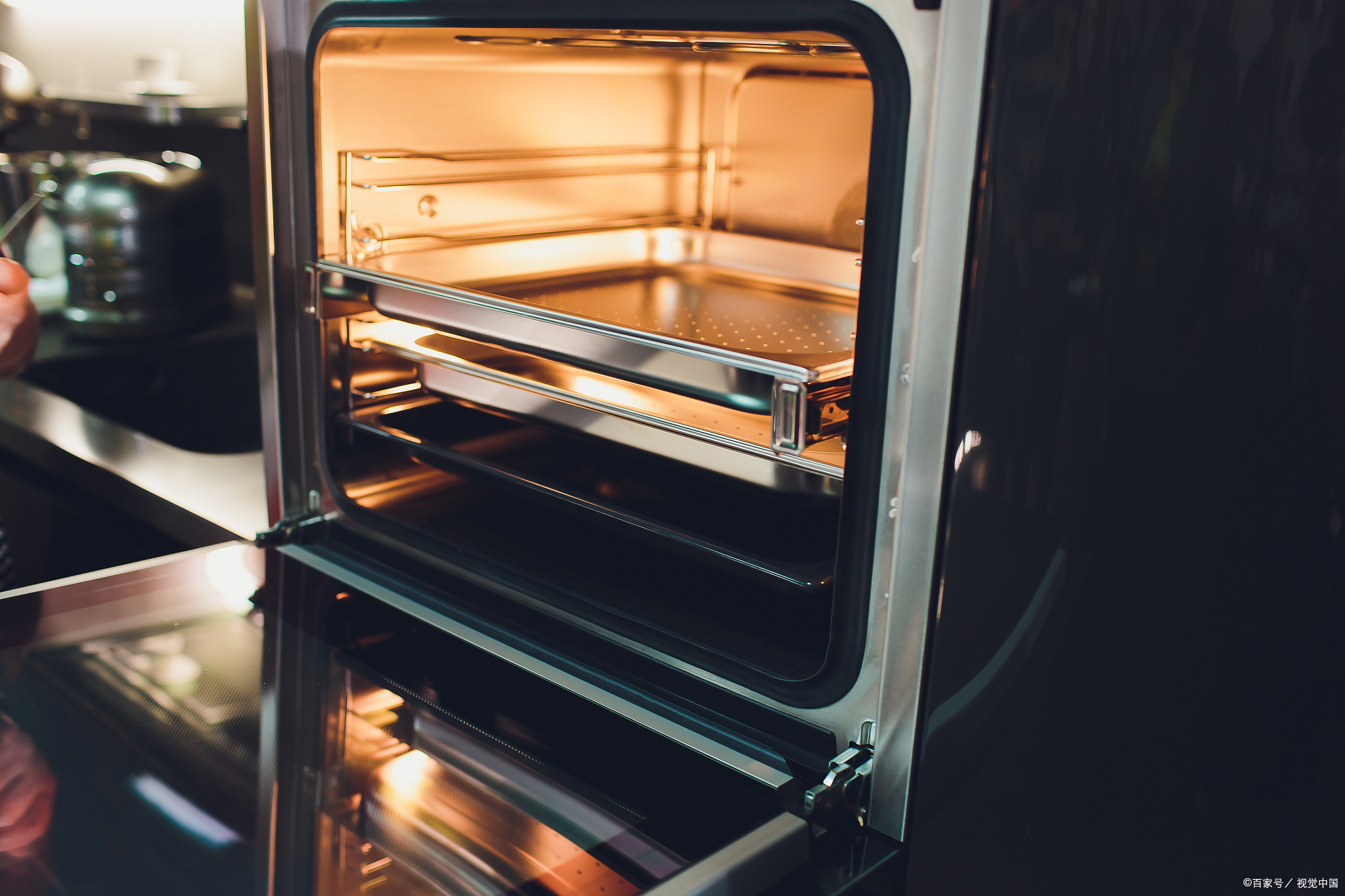
In a deck oven, the stone hearth carries bottom heat, but the top heat governs crust and browning. When the top heat lags, the bake goes sideways: bottom sets, top drags, and you end up adjusting time instead of quality. The clear quartz infrared bulb puts responsive radiant heat right above the product, so you hit target temps fast and keep them through service. That speed shows up on the line:
- Faster recovery: The baking chamber snaps back to set temperature after door openings and fresh loads.
- More even top heat: Crust sets cleanly, and toppings cook in step with the base instead of lagging.
- Better consistency: Less drift means fewer throwaways and results you can repeat. In food warming, you’re holding, not reheating. Plates, pans, or finished dishes need to stay at service temperature without scorching, drying, or overcooking. Infrared delivers gentle, directional heat that holds without forcing moisture out—food tastes the way it was intended when it leaves the pass. Energy use is a practical win, too. Because infrared aims heat where you need it, you’re not wasting energy heating air that escapes every time the door opens. That focused delivery often translates to lower energy per bake cycle and per hour of holding.
What you need to know
Installation is straightforward, but the environment is brutal. High heat, steam, grease, and constant cycling all beat on components. Make sure the socket and wiring are rated for the bulb’s wattage and the oven or warmer operating temperatures. If the fixture sees heavy steam, confirm the terminal sealing and protection to keep corrosion out. Match the bulb to the task. Infrared bulbs aren’t interchangeable with standard heating elements—the control strategy and thermal profile are different. If you’re retrofitting, check your controller’s compatibility with short-wave infrared loads to avoid cycling behavior that can shorten component life. One trade-off is line of sight. Radiant heat works best when it reaches the target. In some ovens, pans or racks can cast shadows, and that shows up as uneven browning. We typically recommend checking the spacing and orientation of the bulb and reflector so the heat pattern covers the full deck or warming area. When it’s time to replace, treat the quartz like glass under thermal stress. Use clean hands or a lint-free cloth, align the bulb properly, and torque to spec. A well-installed bulb gives you steady output and predictable performance, shift after shift. If your kitchen runs on precision and speed, the kitchen clear quartz infrared bulb delivers both. It turns heat into a tool you can point, control, and trust—from the stone hearth to the pass.