

The rush is on. Tickets are piling up, dough is prepped, toppings are ready, and the oven is still stuck on “preheating.” Every minute you wait is a minute the line loses momentum. Worse, when the heat finally hits, it’s often uneven—left edges scorch while the right side lags. You end up babysitting trays, rotating by hand, and then fielding questions about why the pies aren’t consistent. In a busy kitchen, preheat delay and temperature swings do more than slow service. They force your staff into constant corrections, waste energy, and put your reputation on the line—one plate at a time.
What matters under the hood
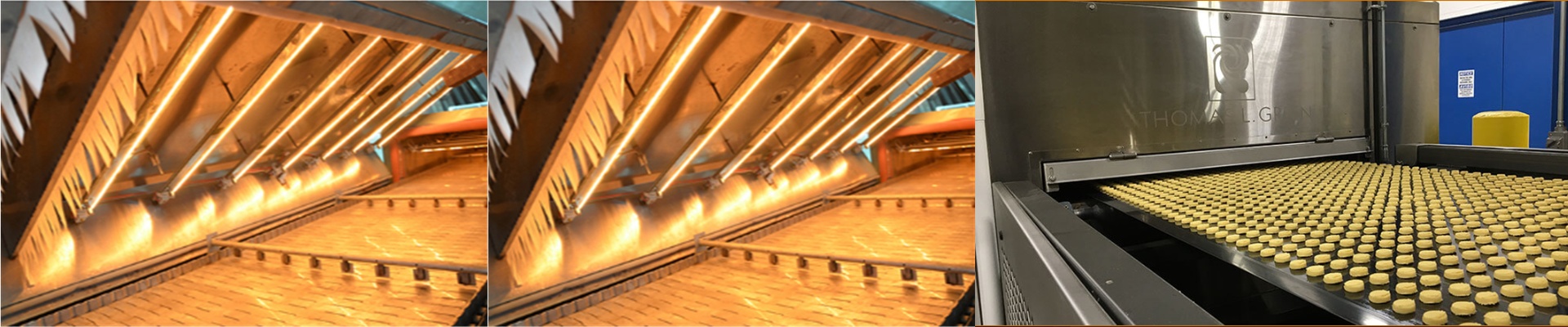
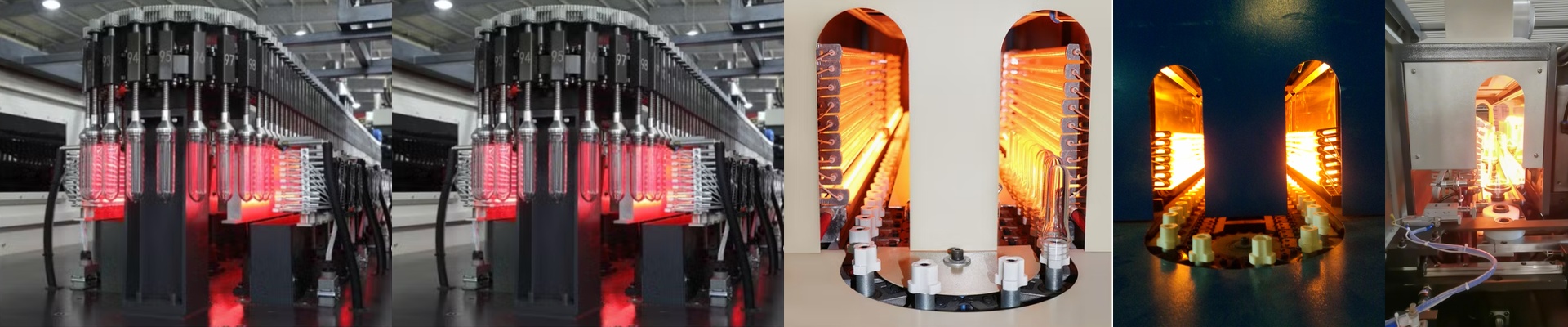
Rotary oven ceramic heaters are built around one straightforward engineering goal: get stable radiant heat up fast, and keep it stable through the bake. The heating element itself is a ceramic body with embedded resistance conductors, built to run hot and deliver predictable output. In practice, that means it hits target temperature quickly—often cutting preheat time compared to traditional metal-sheathed elements—then holds steady even when doors open and close. Radiant heat is the key to why this works in a rotary oven. The heater radiates energy straight onto the product, not just into the air. That matters because air temperature can drift while the product surface stays consistent. You see the payoff in crust development and topping browning that repeats shift after shift, instead of feeling random. Durability comes from the ceramic structure. It handles thermal cycling better than many exposed coil designs and resists the localized hot spots that can stress components. We build these heaters to deliver consistent output over long service, not to spike hot and then cool off. Electrical fit is just as practical. Rotary oven ceramic heaters are supplied to match common commercial voltages and connection methods, so the install stays straightforward and the oven control sees a stable load. When the heater and thermostat work together cleanly, the control doesn’t hunt for temperature—you get stable setpoints, not oscillation.
Why it fits the rotary oven
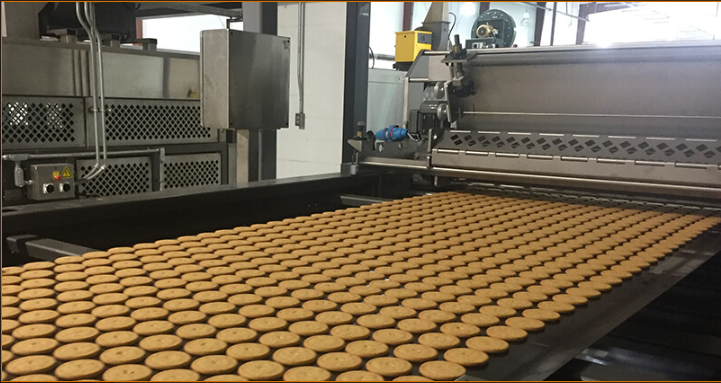
In a rotating baking chamber, uniformity is the whole point. The turntable moves product through the hot zone, but if the heat field is uneven, rotation alone can’t fix it. Ceramic heaters even out the heat field by delivering even radiant output across the chamber. That translates into a more consistent bake across the tray—fewer hot corners, fewer pale edges. For pizza, that means more predictable blistering and caramelization. For bakery items, it means more even rise and color, with fewer rejects. Speed matters just as much. When the oven comes up to temperature faster, you start the first bake sooner and keep pace during rushes. Preheat time drops, recovery after loading improves, and the line keeps moving without waiting around. That directly boosts throughput. Energy use improves, too. Ceramic heaters heat quickly and hold temperature with less overshoot. That reduces wasted heat and shortens the time spent at peak power. You’re still using energy—commercial baking always does—but you use less of it for the same output, especially when you’re running back-to-back bakes. Maintenance gets less disruptive as well. Ceramic heaters are built to handle repeated heating and cooling cycles, and they tolerate the high-heat environment of a rotary oven without degrading quickly. Fewer element failures mean fewer service calls, less downtime, and a more predictable maintenance schedule.
What you need to know
Ceramic heaters are tough, but they still need the right operating environment. They perform best when the baking chamber airflow is managed and the oven’s thermostat is matched to the heater’s response. If your oven uses a control that cycles aggressively or was designed for a different element type, you may need a quick calibration or an upgrade to get the full benefit. Installation is straightforward on compatible rotary ovens, but it’s not universal. Confirm voltage, wattage, mounting, and connector compatibility before ordering. Clear access to the heater location matters too—some ovens require partial disassembly that can take a few extra minutes. Plan the swap during a slow window so you don’t lose service time. And keep the heater and chamber clean. Baking residue can build up and affect heat transfer, which can reduce performance and shorten service life. A regular cleaning routine protects both the heater and the quality of your food. If your rotary oven is fighting preheat lag and uneven baking, the fix is often the heat source itself. A rotary oven ceramic heater brings faster heat-up, stable temperature, and more consistent results—without turning your staff into full-time oven-watchers. When the tickets keep coming, your oven should keep delivering. No waiting. No guesswork. Just repeatable heat.