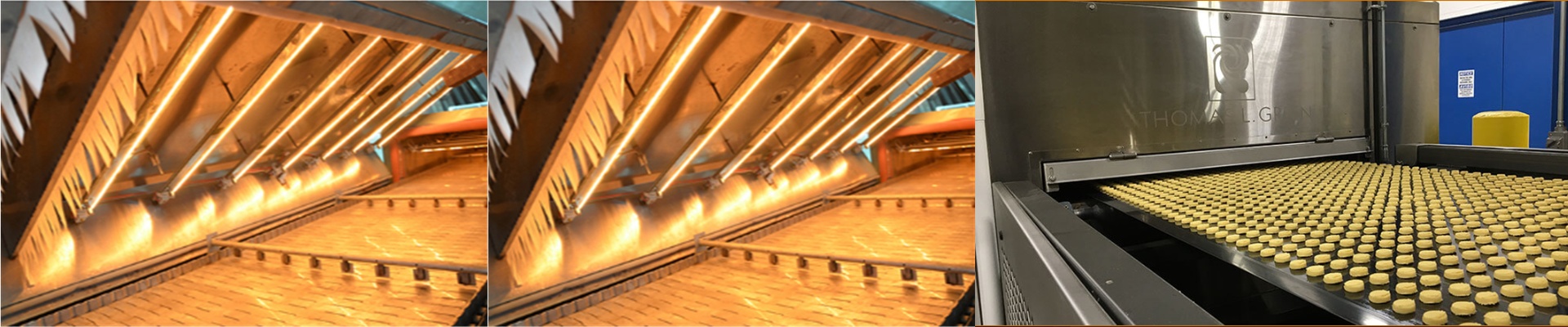
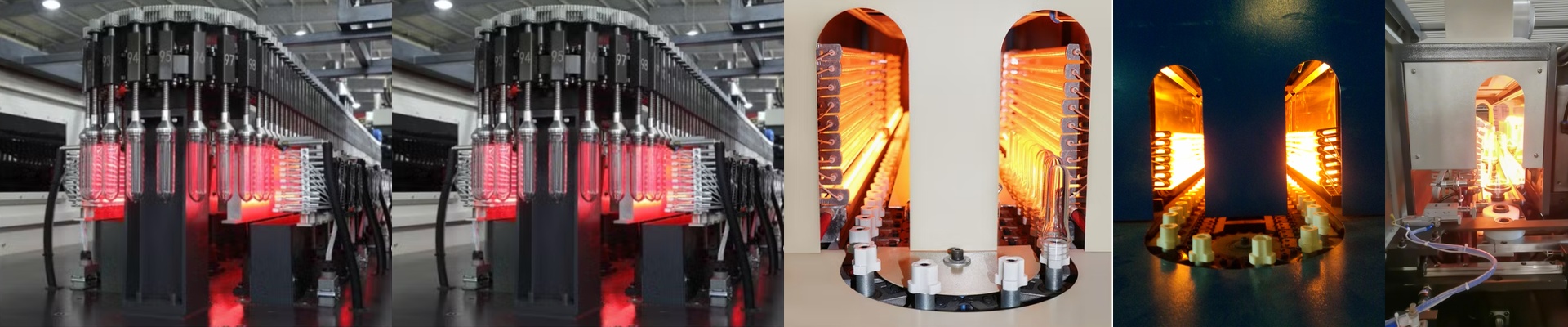



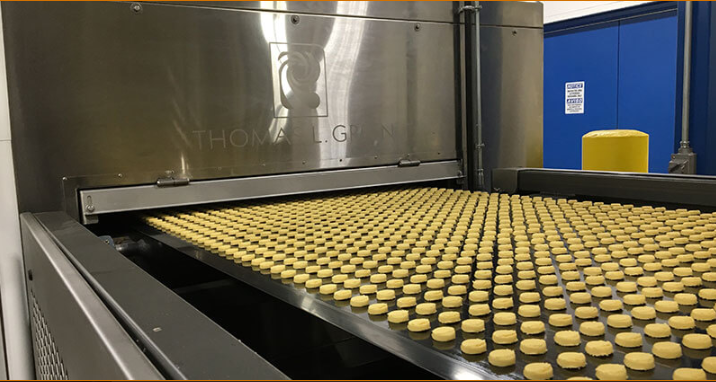
When the line starts moving at 6 a.m., your deck oven can’t afford a sluggish warm-up or a setpoint that drifts. Cold spots on the stone hearth, uneven crust color, and timing that slips—those problems cost you product and labor. The heating element is where the workday really begins.
What matters under the hood
We built the bakery oven element around a high-resistance nichrome coil set in a ceramic body. The nichrome gives you fast resistive heat-up and predictable output. In real terms, the baking chamber hits target temperature quickly after a cold start, and it recovers fast when you open the door and load fresh dough. The ceramic structure helps spread heat more evenly across the deck surface, cutting down localized hot spots and keeping caramelization consistent across the whole batch. Pair that with a tight thermostat and clean terminal connections, and the element behaves like a repeatable heat source—not a temperamental burner.
Why this matters in a bakery or busy pizzeria
Time is measured in minutes per bake. Faster heat-up shortens the morning startup window, and quick recovery keeps bake times consistent from the first tray to the last. That means more trays per hour, fewer under- or over-baked items, and a workflow that holds together when demand peaks. Precision matters for crust, too. Predictable temperature control helps you hit the right crisp and color without chasing settings mid-service. Energy use drops when the oven spends less time idling at high heat, and the ceramic build resists oxidation and thermal stress, which supports long service life.
What you need to know before you order
This heater is engineered for standard kitchen ovens, but fit comes down to mounting, terminal spacing, and voltage. Confirm the oven’s rated voltage, terminal block size, and element length before you buy—one mismatch and the element won’t seat cleanly. Keep the oven interior dry and clean. Moisture and baking residue accelerate terminal corrosion. Plan the replacement for a scheduled downtime window, and always verify power is off at the disconnect before you touch anything.