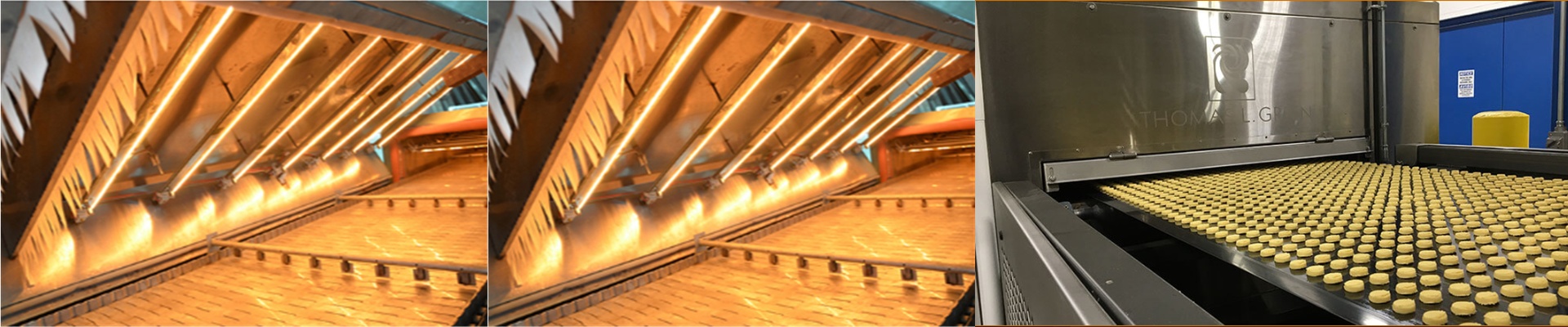
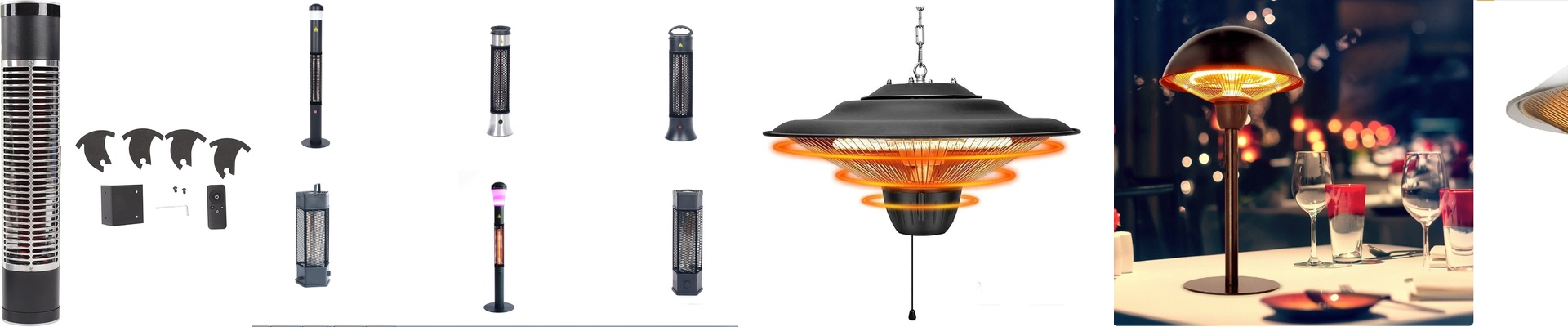
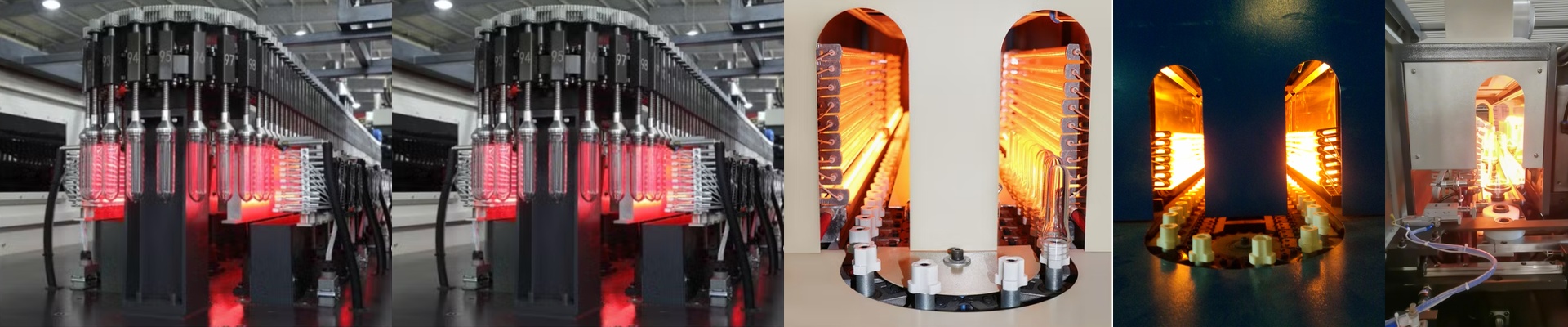
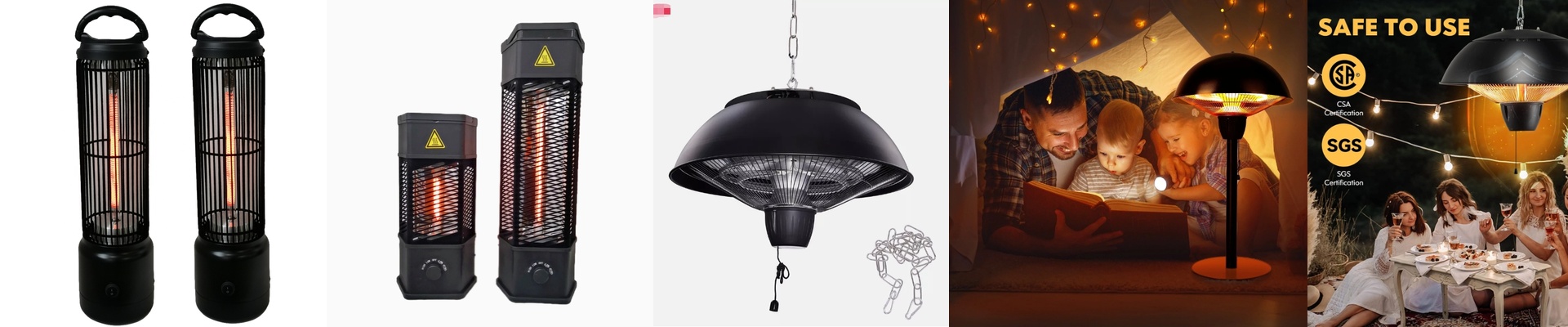
On a cold night, infrared warmth should hit the moment you need it—and stay there. But out in the real world, voltage swings—especially in industrial areas or on busy grids—can chew through element life and turn comfort into a crapshoot. We built our 3-phase electric heater with a circuit compensation system that holds output steady, even when line voltage jumps around. What matters under the hood This heater is built for three-phase supply, pulling balanced current across each leg so you’re not stressing the line or the heater. Inside, the compensation circuit watches incoming voltage and adjusts power delivery on the fly, so the infrared element runs in a stable window. That means consistent radiant heat and fewer thermal shocks that beat up quartz tubes and carbon fiber elements. For you, it comes through as predictable warmth—no flicker that fades when demand spikes. Why this design holds up where it counts Infrared heaters take a beating when voltage is volatile, because the element has to heat fast and repeat that cycle over and over. Our voltage-resilient approach keeps the infrared spectrum steady, so the patio or workshop stays evenly warm without the jolts that drive premature failure. In practice, you get quicker warm-up, fewer temperature dips at startup, and longer service life between replacements. Fewer service calls, less downtime—just a heating setup you can set and trust. What you need to run it right This unit needs a proper three-phase supply, and it should be installed by a qualified electrician. Match voltage and connector type to your site, and confirm the circuit can handle the rated load. The compensation system handles big swings, but performance still depends on clean power and correct grounding. Put in a dedicated line, and you’ll get stable infrared warmth—even when the grid is anything but calm.