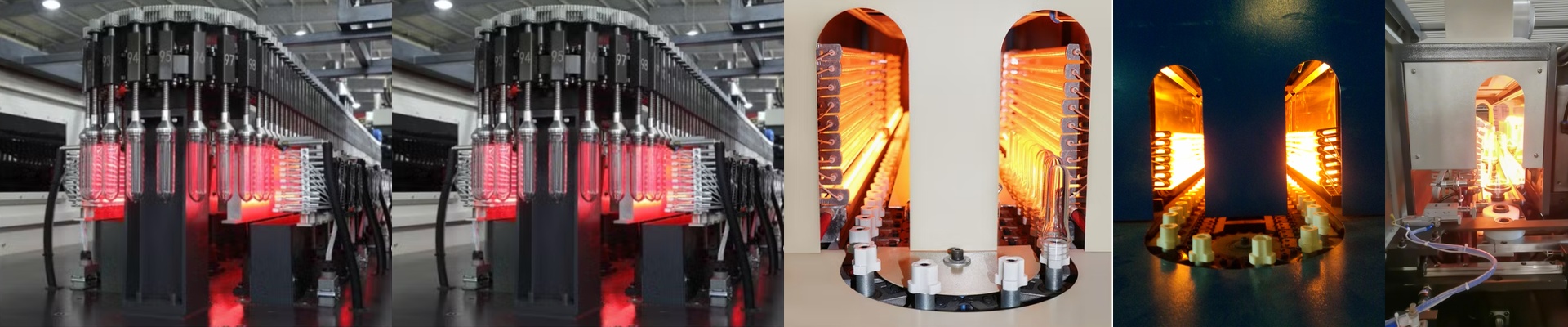

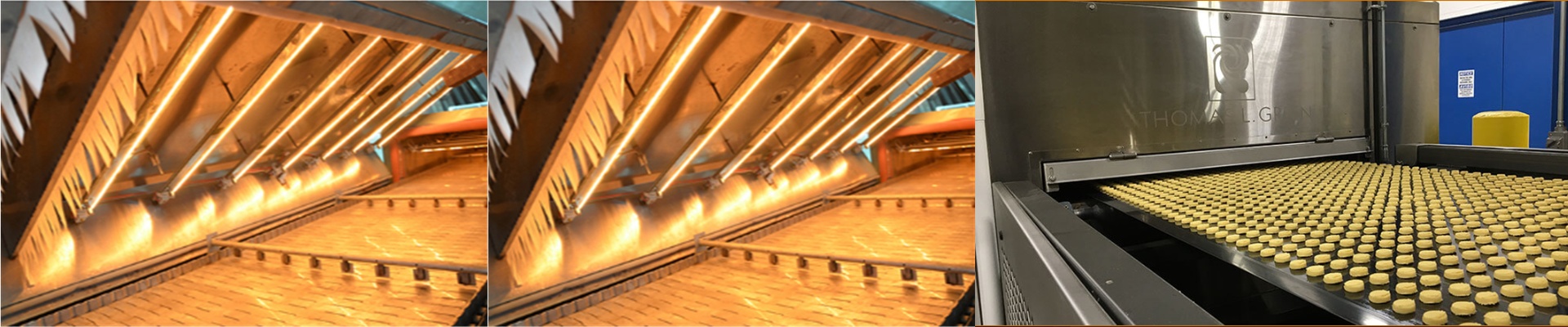


In a warehouse, cold isn’t just uncomfortable. It slows pallet wrapping, stiffens fingers, and turns dock work into a safety headache. When the heat fails, productivity falls off a cliff. So we build our infrared warehouse heaters by one rule: every unit hits a full-power, 100% aging run before it leaves the plant. What’s actually going on under the hood We lean on infrared radiant heat, so warmth lands directly on people, floors, and equipment surfaces instead of getting lost chasing warm air up high ceilings. The core is a quartz tube element paired with a reflector that throws heat forward in a steady, directional beam. Every heater runs at full rated power through a full-load burn-in under controlled conditions—voltage, current, and thermal cycling all tracked. We don’t ship anything that doesn’t pass. That means fewer warranty callbacks and a heater that behaves predictably from day one. Why this matters on a warehouse floor Uptime is the name of the game. Infrared heaters put the heat where it’s needed, so people stay comfortable without waiting for the whole building to warm up. And because the unit has been stress-tested at full load, it’s less likely to trip breakers on cold-start surge, and performance stays stable through repeated on-off cycles. Fewer interruptions, fewer service call-outs. You get consistent working temperature right where you need it—near dock doors and along packing lanes. A few field notes Infrared warmth works best when the heater has a clear line of sight to the work area. Clearances matter too—keep distance to combustibles, and watch clearances above storage. Most installs are cleanest on a dedicated circuit. Plan the mounting first, then run the wiring. Do that, and you’ll get dependable comfort you can actually count on.