

How to get that perfect crust without drying out the middle
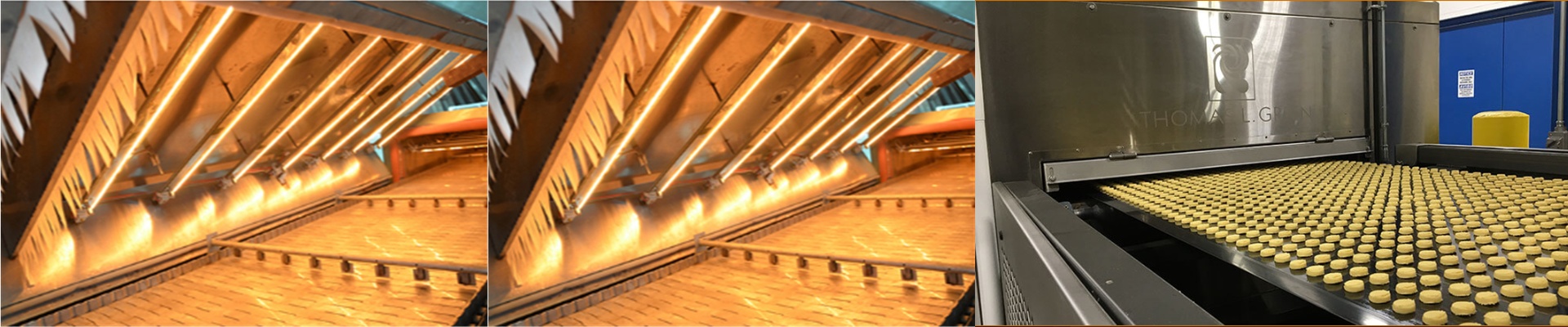
Ever pull a loaf out of the oven only to find the outside is burnt to a crisp but the center is still doughy? It’s frustrating. Most people think the answer is just “more heat,” but that’s usually how you ruin a batch. The real secret is all about the wavelength. That’s where our quartz infrared (IR) tubes come in. Instead of just blasting the surface with hot air, these tubes send energy deep into the dough. It’s the difference between tanning the surface of your skin and actually warming your bones. Getting the heat where it matters Most ovens rely on convection—basically moving hot air around. IR is different. It uses electromagnetic waves that slide right through the outer layers. These waves get the water molecules inside the dough vibrating. The result? Your bread rises faster and the center cooks through perfectly, all while the crust stays golden and crisp. We don’t just guess on this, either. We tune the tubes to hit a specific wavelength based on how moist your specific product is. Why quartz? We use fused quartz because the stuff is a beast when it comes to temperature. These tubes can go from cold to full blast in a few seconds. No more wasting an hour waiting for the oven to pre-heat. The quartz also acts like a clear window, letting the IR energy fly straight toward the food instead of soaking it up. But a word of caution: don’t overdo the wattage. If you cram too much power into a short tube, you’ll fry the filament. It’s a balancing act. We make sure the voltage and wattage play nice so the tube doesn’t overheat and pop. The practical side of things Setting these up on a bakery line is pretty easy, but placement is where people usually mess up. If the tubes are too close, you’ll get charred edges and “hot spots.” Too far, and you lose that deep penetration that makes the bread great. You have to find that sweet spot. And here is the most important part:be gentle. Quartz can handle a massive heat shock, but it can’t handle a physical hit. It’s fragile. Plus, you’ve got to keep them clean. Flour dust and grease buildup aren’t just messy—they create hot spots on the glass that can cause the quartz to crack. Keep them sparkling, and they’ll keep your bread perfect.