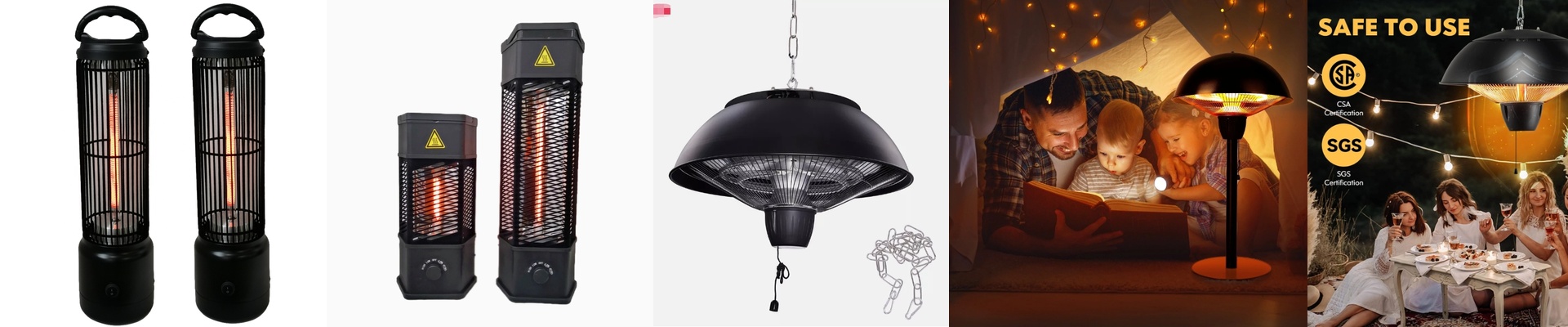
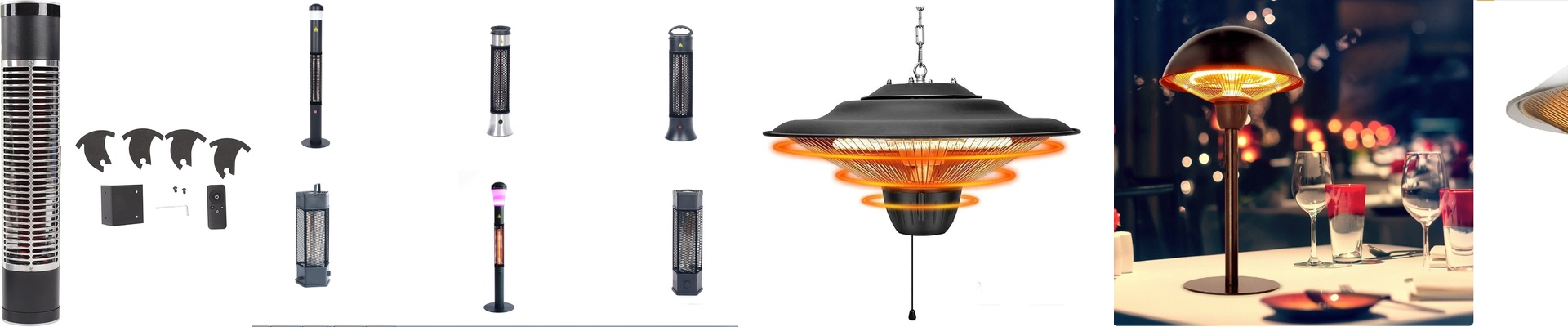

Stop Waiting on Your Oven to Warm Up
Anyone who’s spent time in a bakery knows the pain of the “warm-up wait.” Standard convection ovens are slow. You’re basically sitting around waiting for the air to get hot enough to actually do something, which feels like a waste of time when you’ve got dough ready to go. We found a better way. We started adding shortwave infrared (IR) heaters into the mix to act as a boost.
Why this actually works
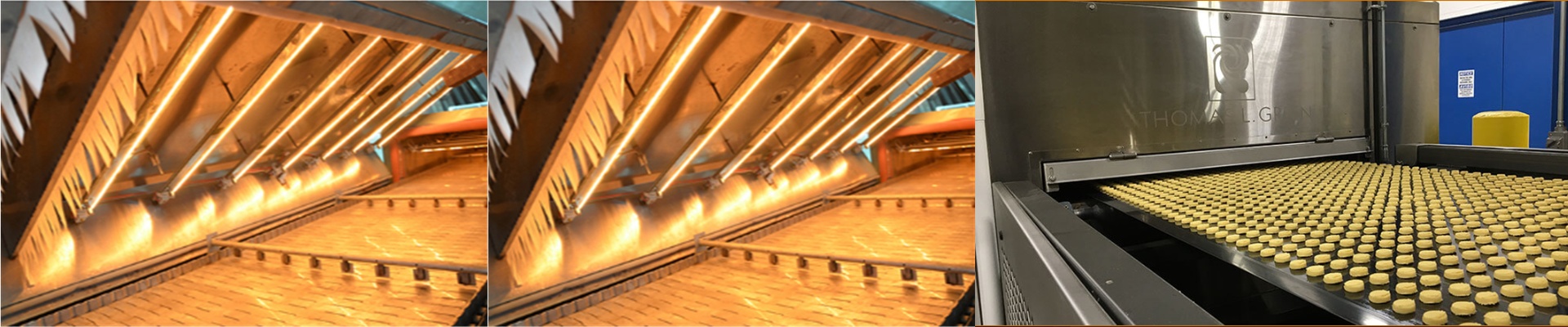
Here is the thing: convection relies on air. But IR? That’s different. It uses electromagnetic waves that hit the dough directly. We use high-wattage quartz elements to create a massive burst of heat. It’s fast. Really fast. And that changes everything for your workflow. Instead of waiting for the whole chamber to soak in heat, the surface of your bread reacts the second it hits the oven. You get a better oven spring and a crispier crust because the heat doesn’t mess around—it just hits.
The nitty-gritty on the setup
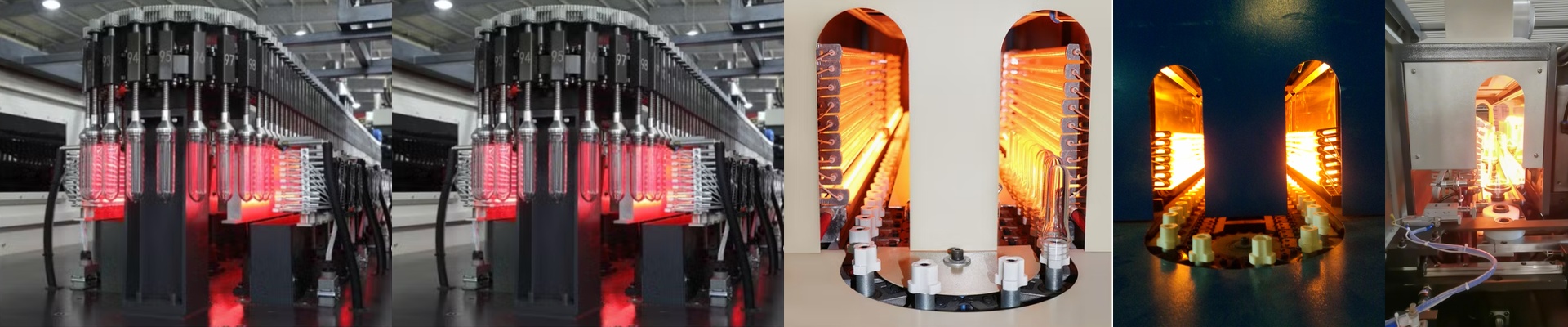
When we’re picking these heaters, we focus on power density. We use high-voltage setups so we can use longer tubes without losing power at the end of the line. That means every loaf on the tray gets the same amount of heat. We wrap the halogen filaments in quartz glass. This keeps the heat pushing forward toward the bread, rather than leaking into the oven walls where it doesn’t do any good. And we kept the wiring simple. We use standard connectors, so if a tube ever burns out, you can just pop a new one in without a headache. Just a heads-up: if you’re running 2000W+ per tube, make sure your control board can handle that initial surge of power, or you’ll be tripping breakers all morning.
A few things to watch out for
Now, this kind of heat is aggressive. If you put the IR lamps too close to the bread, you’re going to torch the top before the middle is even warm. It’s a balancing act between the radiant heat and the airflow. To keep things from getting scorched, you can’t just “set it and forget it.” You need proper zoning to avoid hot spots. We suggest using PID controllers with thermocouples sitting right at the product level. That way, the oven knows exactly how hot the bread is and can dial the IR back in real-time.