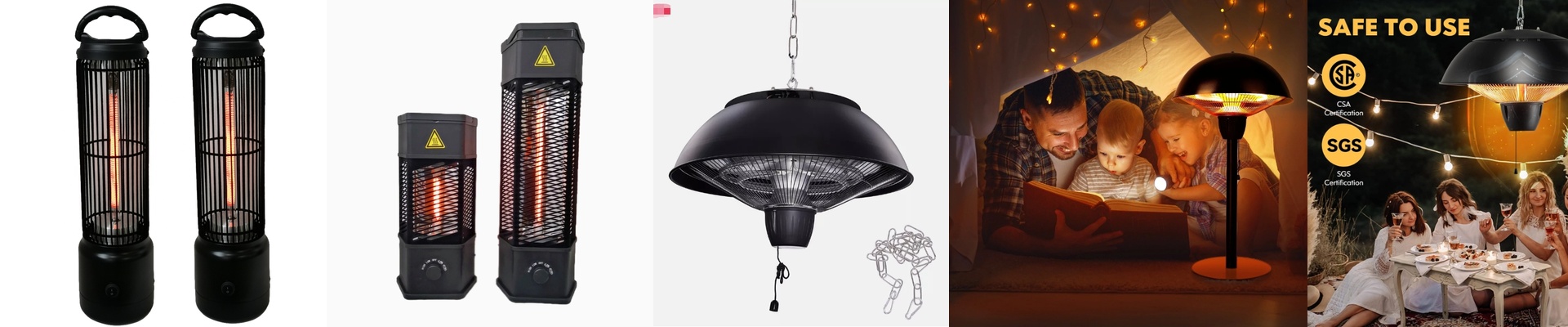
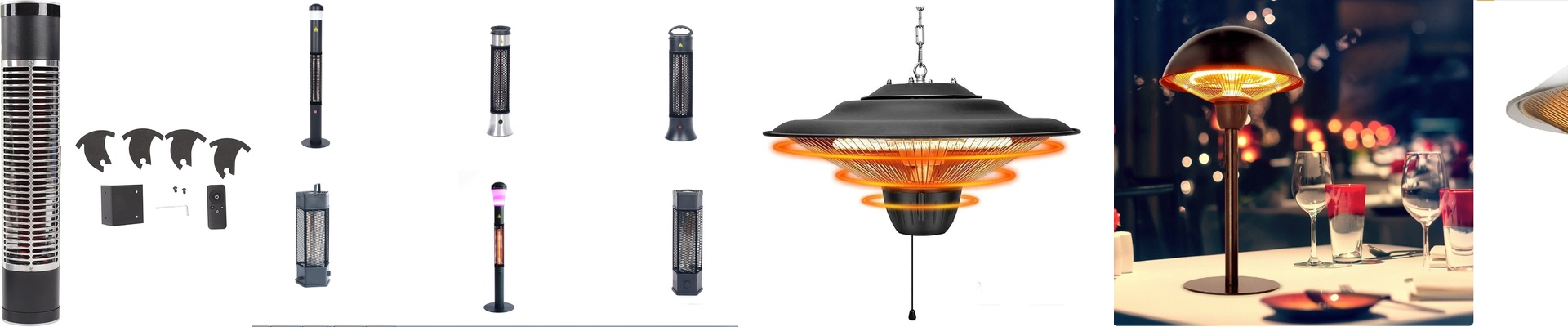
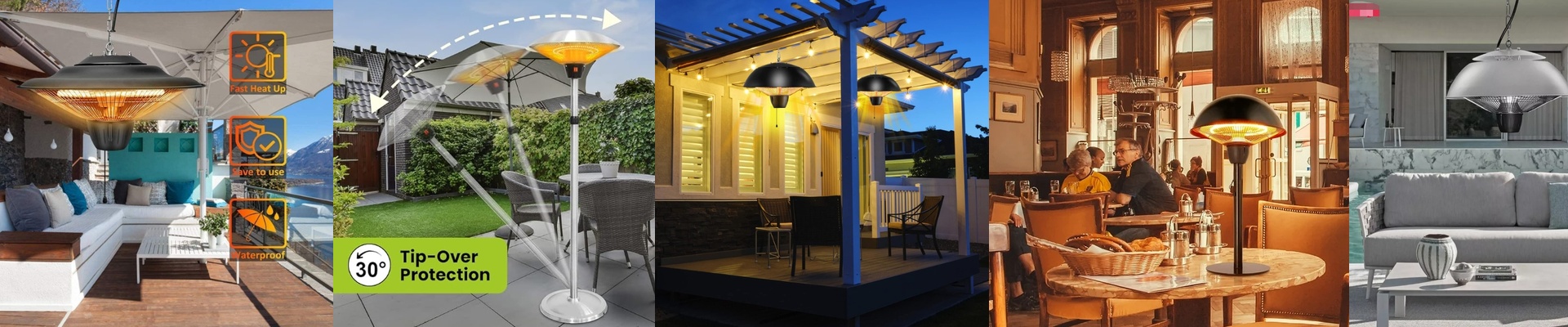

On the workshop floor, chasing that 0.1mm gold-coating thickness isn’t a tagline. It’s the margin that keeps every heating cycle honest. In our infrared heater work, that tolerance is the line between steady radiant output and drift that can push components into unsafe territory. So we built protection into the design from the start, not as a bolt-on. What matters under the hood We run a high-purity quartz tube with a thin-film reflector held to that 0.1mm window. That keeps heat distribution even across the element, which cuts down hot spots that can trip unexpected shutdowns. Integrated overheat protection watches internal temperature and cuts power before things get risky. You get immediate radiant warmth, without the worry of runaway heat. The upshot is predictable cycling, quiet operation, and infrared output that stays steady. Why it matters where you need it This matters when comfort has to keep up with the work, not slow it down. In precision-focused settings—whether you’re running a small shop, finishing a job outside, or just keeping a workspace comfortably warm—reliability directly affects focus and output. Steady infrared warmth helps hold a consistent ambient feel, supports better concentration, and keeps hands and feet comfortable when stillness would otherwise take over. With overheat protection on board, you can run longer sessions with confidence, and the element’s controlled thermal profile helps extend service life. Here’s the thing about infrared heat: it’s most effective when aimed at people and work areas, not when trying to fight drafts. For best results, position the heater to cover the primary zone and keep it clear of obstructions. It needs a dedicated outlet on a circuit that can handle the load, and it performs best in covered or sheltered outdoor spots. The overheat sensor adds a layer of safety, but always keep airflow around the unit and stick to the clearance distances in the manual.