The first bite of winter in your caravan doesn’t knock. It slides in through the seams, finds the windows, and settles right into your bones. Coffee becomes a test of will instead of a quiet moment. When the heat isn’t dependable, nights drag, mornings feel heavy, and every trip turns into a back-and-forth with the weather. We built our caravan electric heaters to stop that back-and-forth—so the road stays about comfort, health, and calm.
What matters, technically
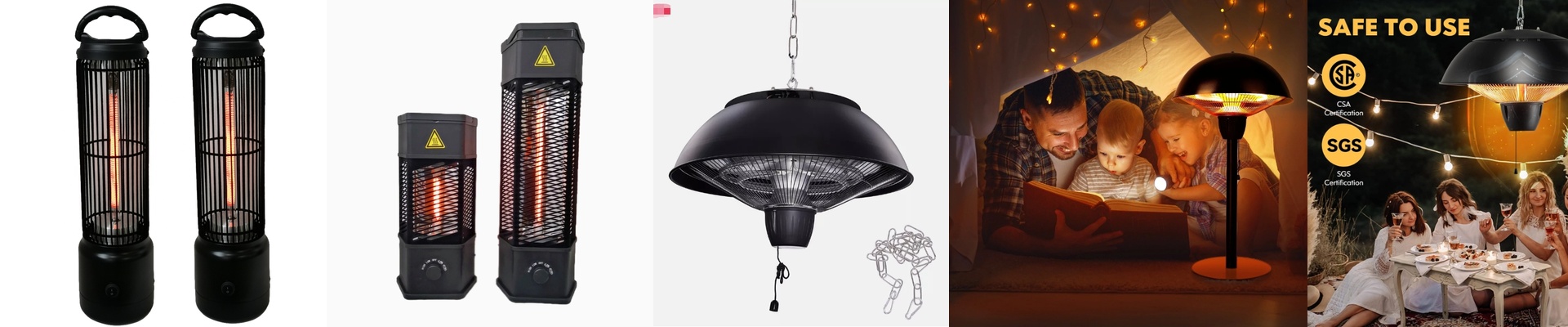
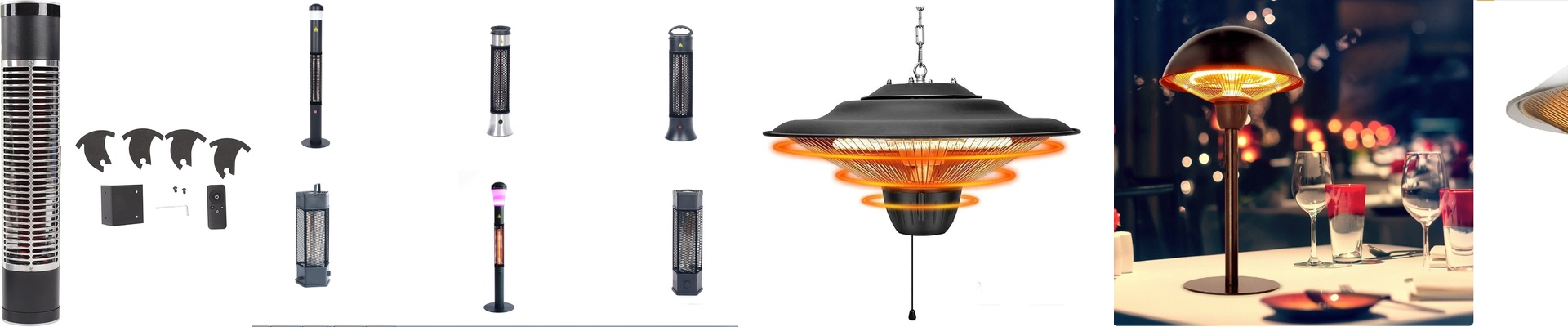
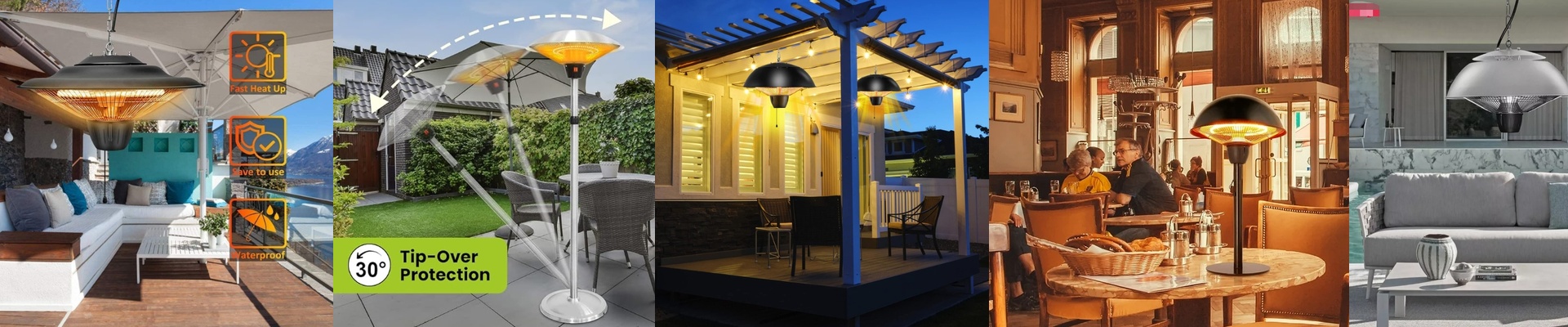
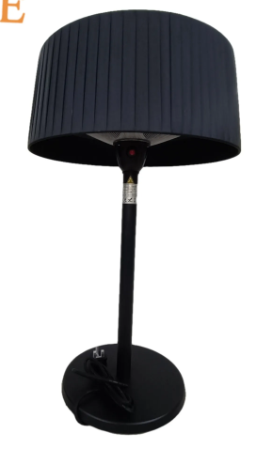
Caravan electric heating works when it’s quiet, compact, and easy to control. Our units put out instant infrared warmth through a high-efficiency quartz element, heating people and surfaces directly instead of trying to warm all the air. You can choose between 1.5–2.0 kW output, run on 230 V, and plug into a standard 13 A socket that fits most caravan site hookups. A built-in thermostat holds the temperature you set. Tip-over protection and an overheat cut-out are there for real-world safety, not just spec-sheet points. The footprint is small enough to sit on a counter or mount securely, and the IP rating is suited for protected outdoor use.
Why it makes sense in a caravan
A caravan is drafty by nature. Doors open, wind finds the gaps, and conventional heating chases warmth out as fast as it makes it. Infrared cuts through that by warming you where you actually sit—hands, face, core—so comfort returns in seconds, not minutes. That’s the difference when you’re reading, resting, or trying to sleep. Steady radiant heat supports better circulation, eases stiffness after long drives, and helps keep the cabin from feeling damp and cold. And because you can run it on demand without heating empty air, energy use stays predictable on site.
The practical details
Match the wattage to your space and your supply. A 13 A circuit is ideal, but if the site feed is limited, go with the lower-wattage model and don’t run other loads on the same circuit. Infrared warmth works best with a clear line of sight, so position the heater to hit the spot where you sit. Don’t use it in heavy rain unless the unit is rated for it, and never block the front or sides. With thoughtful placement, you end up with a small heater that delivers a steady, reliable promise of warmth.