
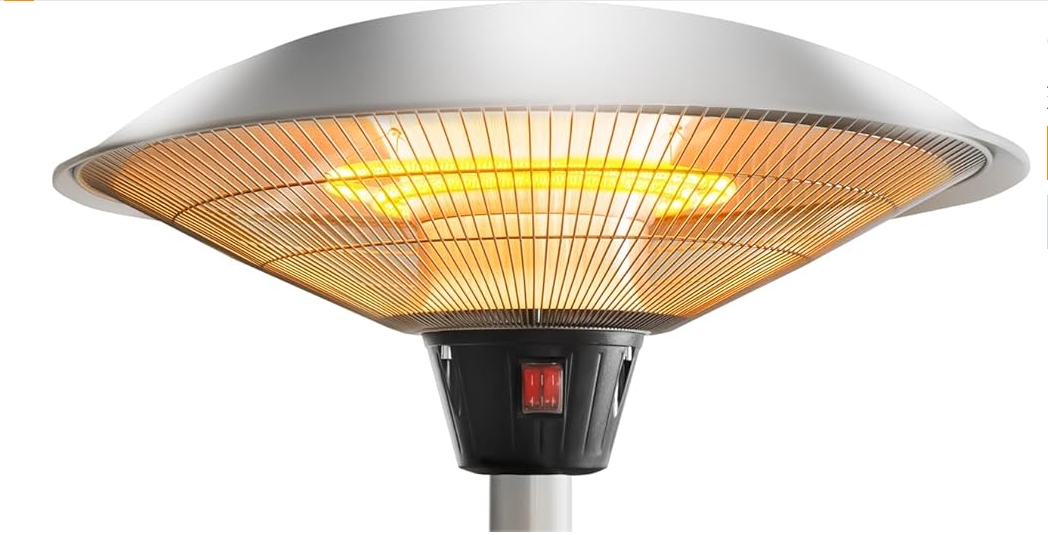
The Reality of Bathroom Infrared Mirror Heaters
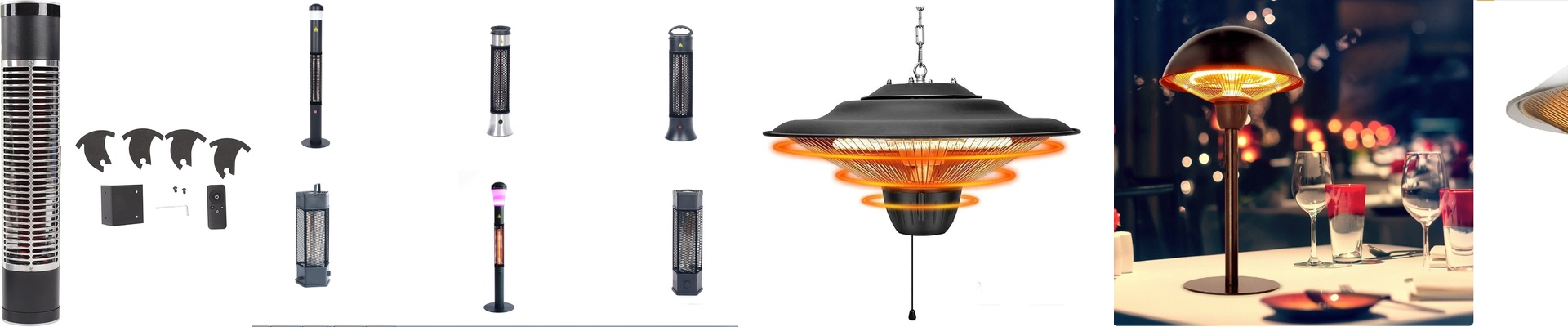
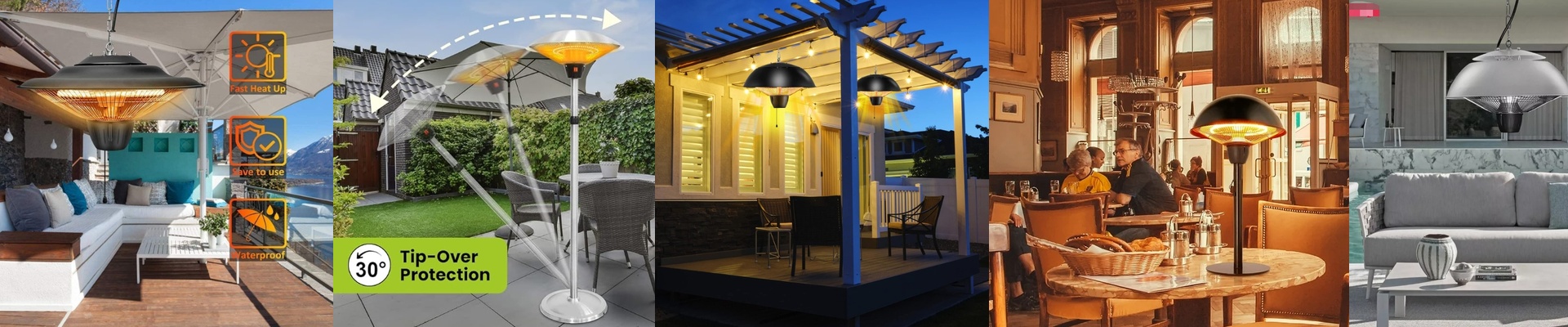
We built these bathroom infrared mirror heaters to do one thing really well: deliver instant, focused warmth. They’re not just a bulb slapped onto a frame—they’re a proper, engineered system made to survive the hardest room in any building. Because bathrooms are punishing. The real job? Clear the mirror of condensation and warm the spot where you stand—without turning the whole room into a stuffy sauna. That takes a special kind of heat: dense, tough, and direct.
Power and Specs: Fast Heat, Tight Space
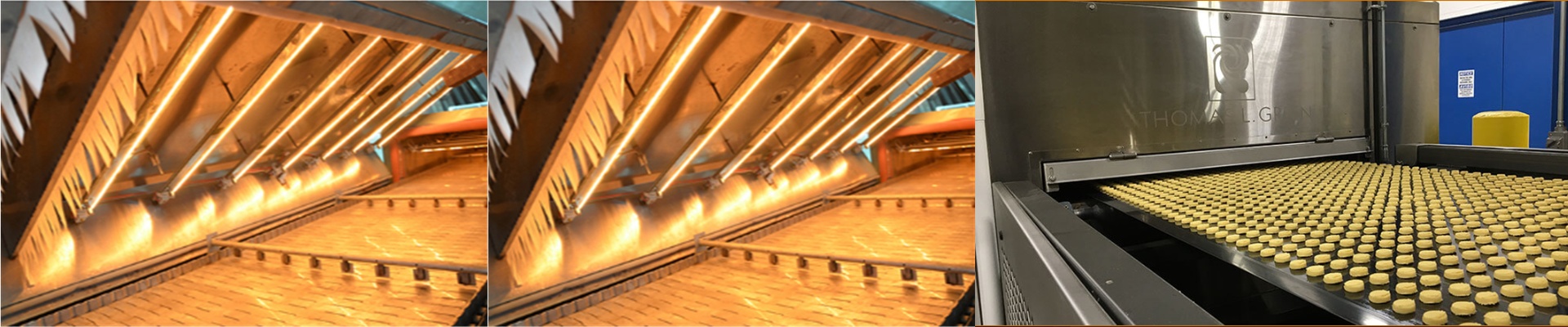
These heaters run on shortwave infrared. What that means for you is simple: serious heat comes out of a small footprint. It’s all about energy density, not spreading warmth everywhere. The physics are straightforward. Shortwave infrared cuts right through moisture and heats surfaces directly—exactly what you need to clear a fogged-up mirror. And because the power density is high, the unit gets hot fast. That’s great in the moment, but it also means the mounting hardware and wiring have to be built for real heat, over time. No cutting corners.
Inside the Design: The Halogen Core
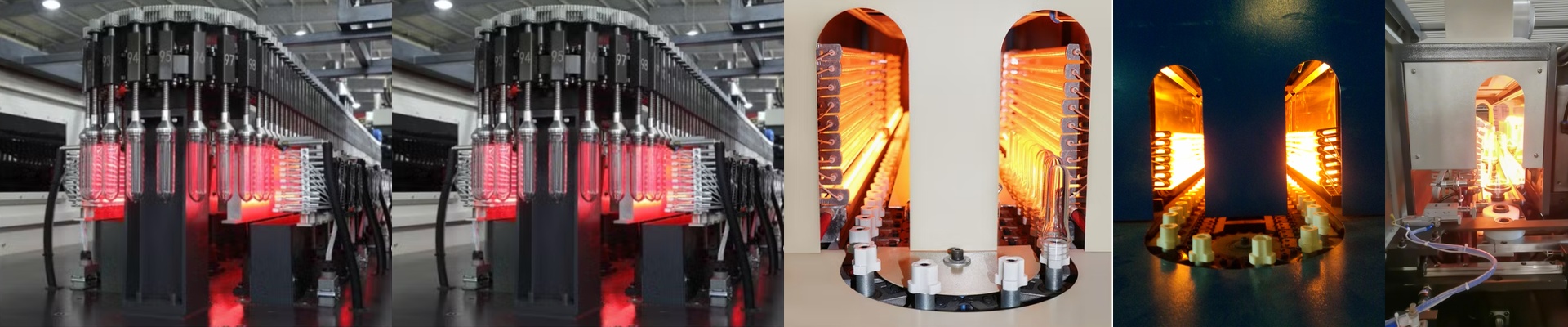
We chose a halogen-filled quartz tube, and here’s why. It handles the shock of switching on and off, again and again, better than standard elements. And the quartz envelope holds up against the daily assault of steam and cleaning products. For the base, we use an R7s connector. It’s the standard for a reason: it’s secure, it can handle high temperatures, and it stays steady when things vibrate and expand with heat. No fancy proprietary connectors. Just a solid, industrial-grade fit that works.
Why the Aging Tests Actually Matter
Bathrooms don’t take breaks. They sit in 90%+ humidity, swing temperature quickly, and cycle heat on and off constantly. So we put every unit through brutal hot-and-humid aging tests that simulate years of that kind of beating. The test checks that the filament, the R7s contact, and the quartz envelope all stay intact—without performance drifting or electrical failures showing up. For you, that translates into performance you can count on and fewer failures out in the real world. Yes, it costs more upfront to test this hard. But it saves you the headache of callbacks and warranty headaches later. We take the pain in the lab so your installation doesn’t fall apart in the field.