
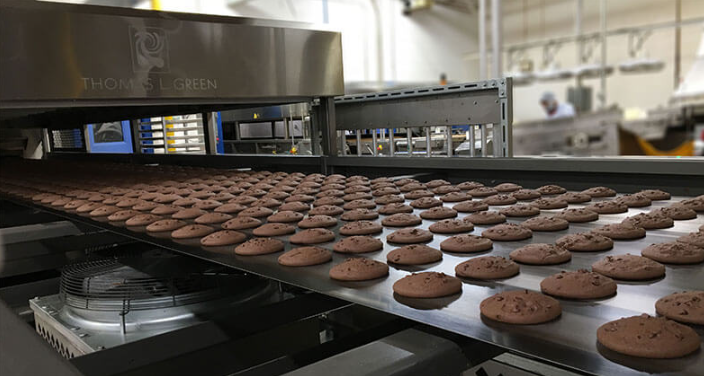
When the rush hits, your deck or rotary oven can’t waste time on a slow warm-up or uneven heat. You need heat that shows up fast, settles where you want it, and spreads evenly through the baking chamber. If it doesn’t, you pay for it in timing, waste, and crust that’s all over the place.
What actually matters under the hood
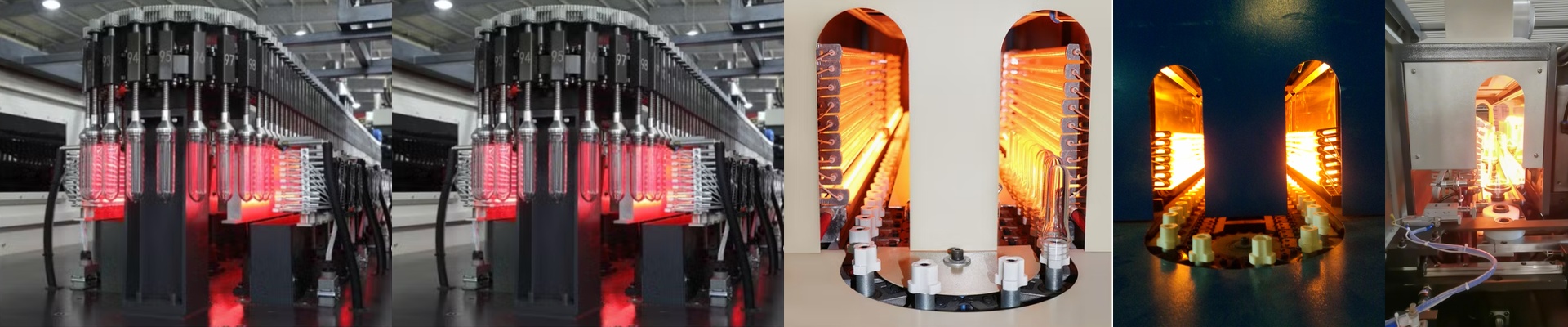
The twin quartz heat lamp leans on short-wave infrared, so the response is almost instant. Power goes straight to the target surface—no waiting on a big chunk of mass to come up to temperature—so recovery after you open the door is noticeably quicker. The twin-element layout spreads radiant coverage wider, which cuts down on hot spots and cold corners across the griddle or stone hearth. Temperature stability at the product level gets tighter, too, because the lamp can be dialed up and down quickly and repeatably. In practice, that means caramelization is more predictable, rise is easier to control, and you see fewer under- or over-baked items per tray.
Why this plays well in a commercial oven
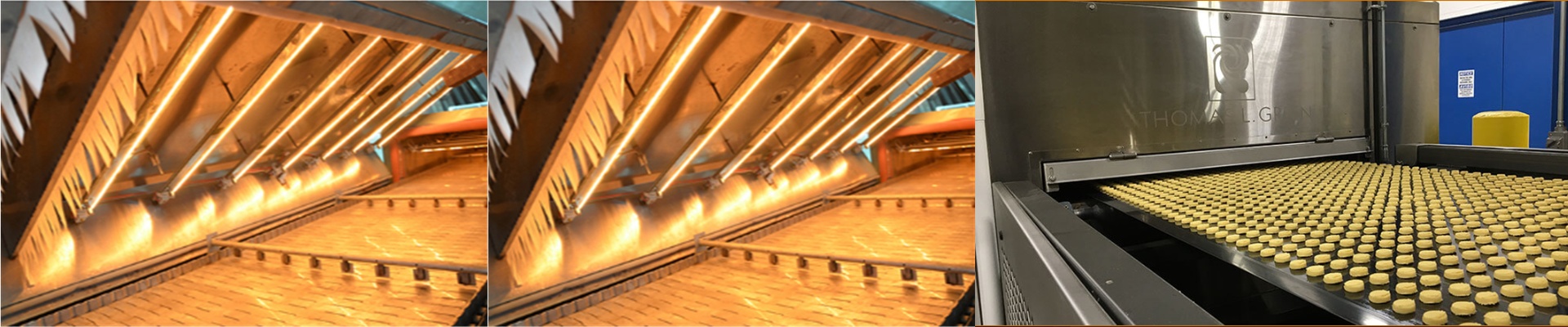
In a commercial kitchen oven—deck, rotary, or convection—infrared hits the food surface directly while the oven structure stays more stable. That gives you shorter cycle times between bakes, better uniformity across the load, and less energy wasted heating empty air. The lamp also handles holding and finishing work, keeping plates and pans at service temperature without drying food out. You end up with faster throughput, tighter quality control, and a lower energy draw per bake cycle—savings that add up fast when the line is busy.
The details you can’t skip
Installation needs proper clearance to avoid cooking nearby surfaces, and the lamp has to be wired to a thermostat or control that can handle the amperage. Before you order, confirm your oven’s mounting points, voltage, and terminal capacity. Always handle the quartz tube with a clean, dry cloth—otherwise, you’re asking for premature failure. This is high-intensity heat, so run it with the right shielding and make sure service access is planned in.