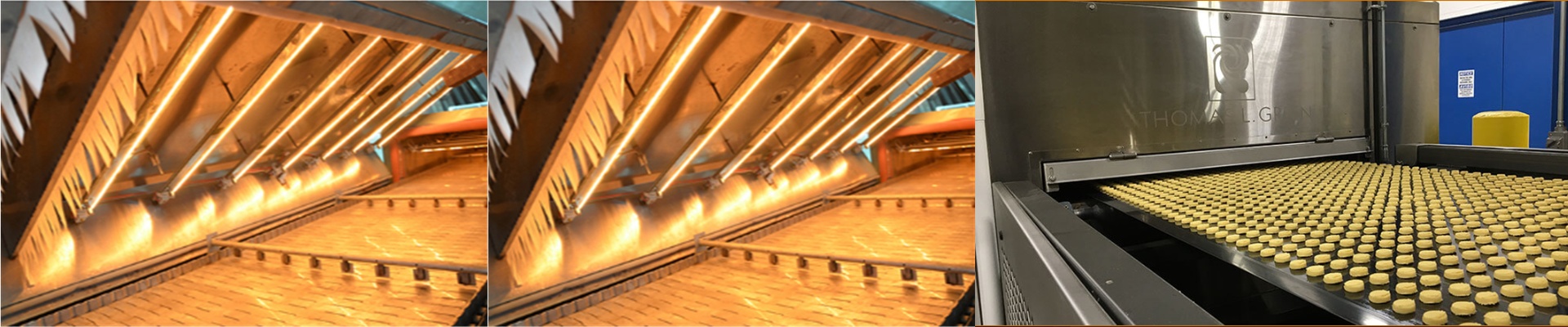
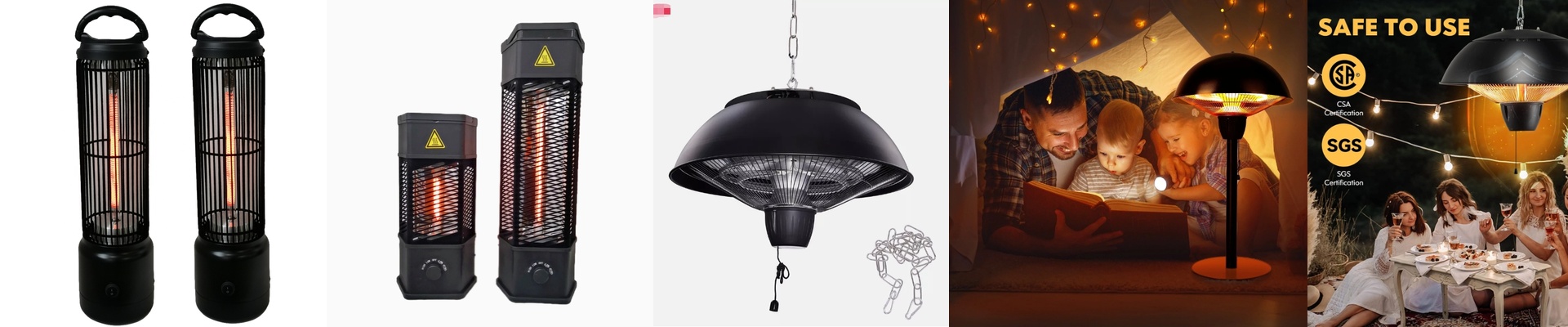
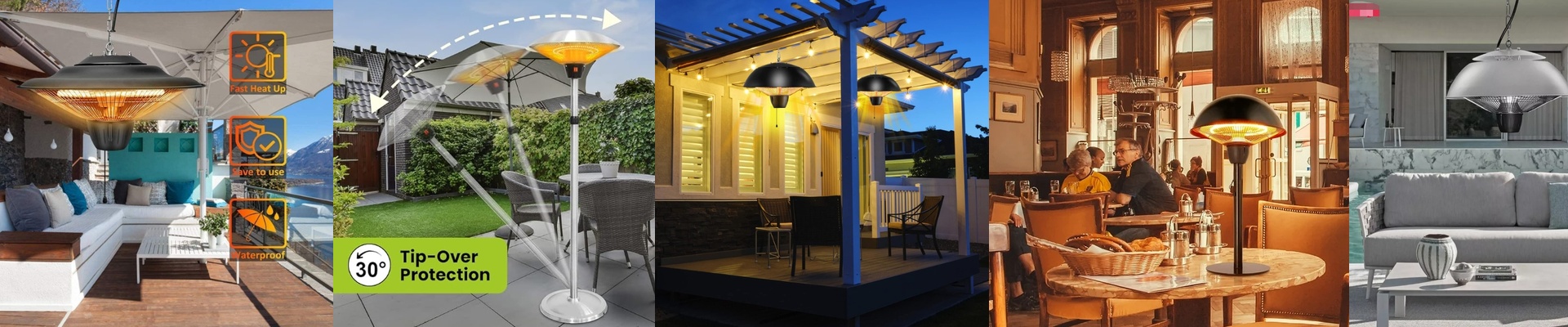
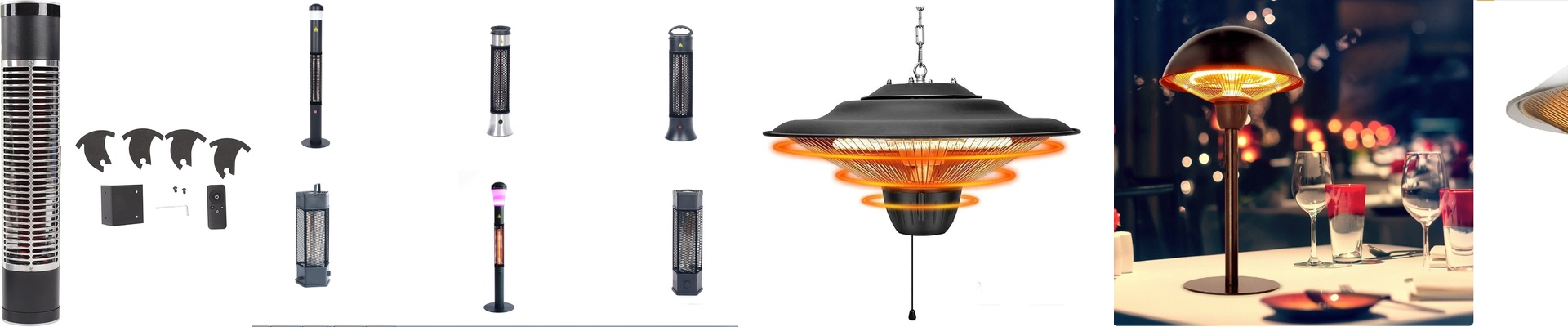
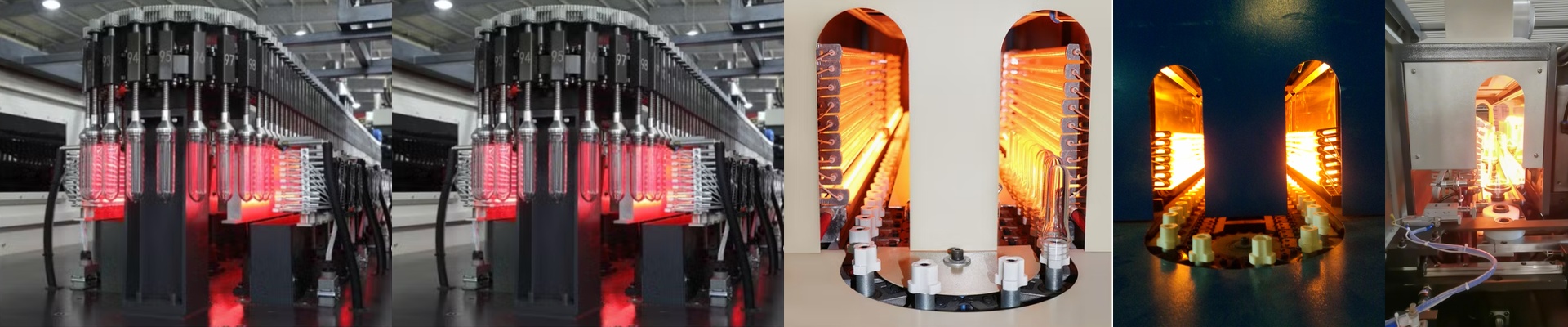
When service hits, you don’t need a warming station that dries out proteins, dulls sauces, or turns bread gummy. Passive heat and slow recovery drag food past its sweet spot, and the pass becomes a scramble to salvage plates. Put a short wave IR emitter on the warming station and you attack the actual problem: heat that arrives fast, hits the surface where it counts, and holds steady without overcooking.
What matters on the technical side
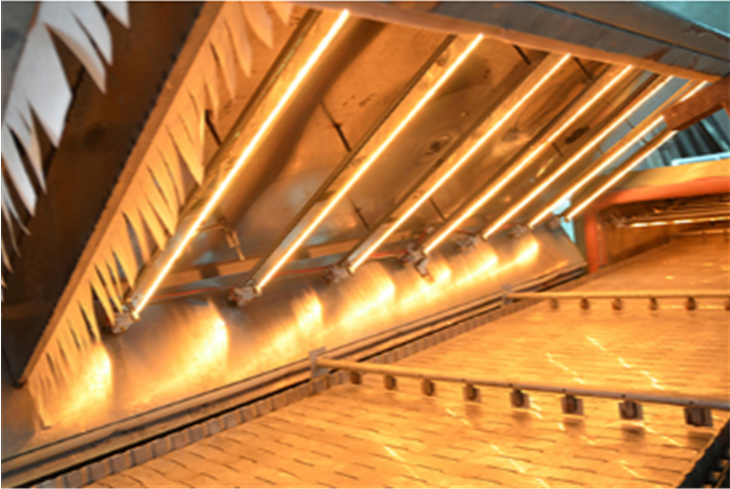
Short wave IR energy penetrates the outer layer and delivers immediate, even heating, so plates come up quickly without waiting for the whole cabinet to recover. The emitter heats in seconds, not minutes, and its focused output keeps the baking chamber or warming deck locked at a steady setpoint. You get consistent surface temperature across the pan, which means crusts stay crisp, sauces hold their sheen, and proteins keep their moisture. The payoff shows on the plate—consistent color, true caramelization, and texture that survives the rush. In a busy kitchen, warming stations sit between the oven and the pass. When those stations recover slow, food lingers in borderline heat and quality falls apart. Short wave IR emitters cut the lag. They bring plated food up to holding temperature almost immediately, then hold steady so every plate looks the same. In deck ovens, rotary ovens, and convection setups, that fast response protects the work you did during the bake—crisp bottoms, open crumb, controlled browning—while keeping the pass moving.
What you need to know
Short wave IR emitters are high intensity, so they need clear line-of-sight to the food and the right mounting distance to avoid uneven hot spots. Check your warming station’s voltage, mounting clearance, and connector type before ordering. The source runs hot, so keep it away from sensitive components and follow the manufacturer’s spacing and shielding guidance. When installed correctly, they cut energy draw during recovery and keep food quality consistent, even when service turns into a sprint.