How to actually speed up your bakery line with IR
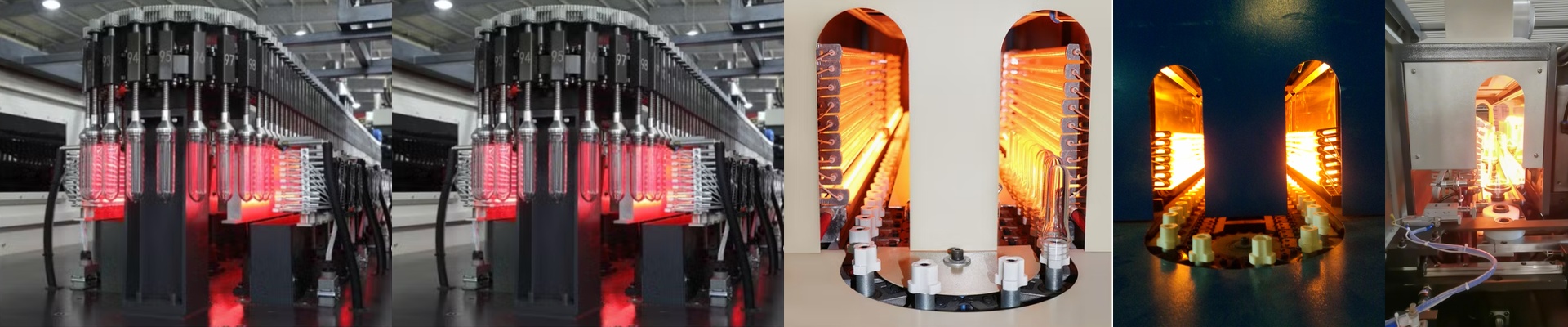
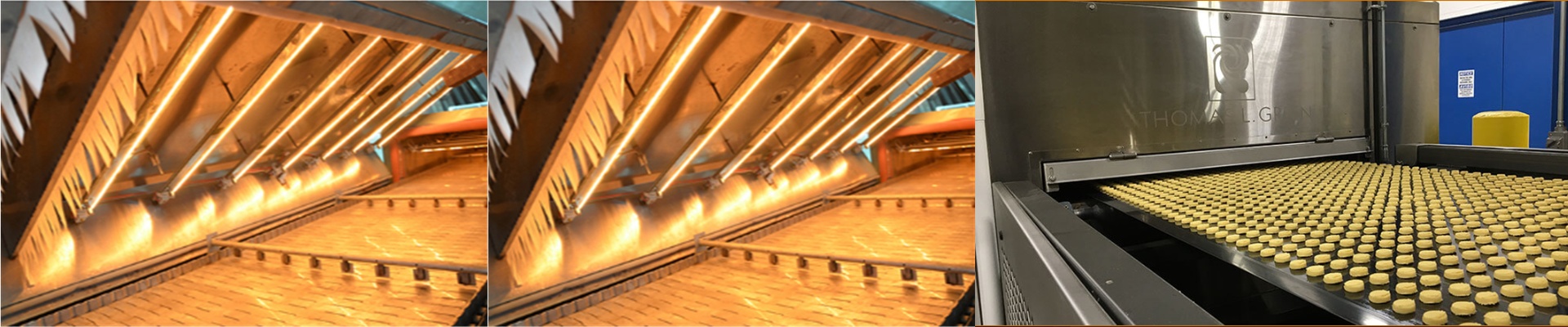
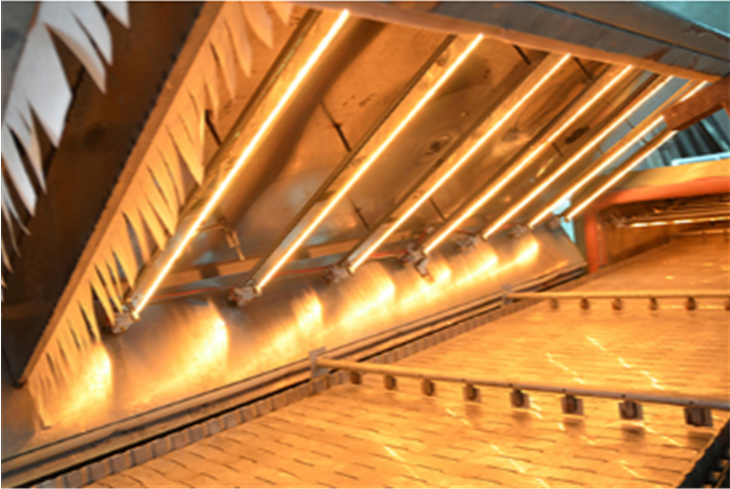
Look, we’ve all been there. You want to push more units per minute through the conveyor, but your convection ovens just can’t keep up. They’re slow because they have to heat the air first, and that air then has to heat the food. It’s a bottleneck. We handle this differently. We use short-wave infrared (IR) lamps. Instead of messing around with the air, the heat hits the product directly. It’s a shortcut. This means you can crank up the belt speed and still get a perfectly cooked center without the dough coming out raw. Getting the heat where it matters If you want to move more product, you need more power packed into every inch of that line. That’s why we use high-voltage quartz tubes. The effect is almost instant. The surface of your pastry or dough sears the second it hits the light, locking in that crust structure in a fraction of the time. You can either shrink the size of your oven setup or just let the conveyor fly. The gear and the setup We designed these to be easy. You shouldn’t have to rewire your entire rack just to get a better bake. Most of our lamps use R7s or SK15 connectors, so they just snap right into the sockets you already have. We also use halogen-filled quartz glass, which keeps the filaments from burning out when you’re cycling them on and off all day. One heads-up, though: keep an eye on your voltage. These high-wattage lamps are picky. If your power supply isn’t stable and you get a spike, you’ll fry the filament. Simple as that. The trade-off (because there’s always one) Here’s the thing. These lamps put out a massive amount of heat—not just into the food, but into the air around the housing. You can’t just swap a weak bulb for a high-output one and call it a day. You’ve got to check your cooling fans. If the housing isn’t vented properly, the heat will soak into your wiring and kill the lamp’s lifespan. Just balance your heat output with some good airflow, and your line will keep humming 24/7.