Getting Heat Where It Actually Matters in High-Speed PET Blowing
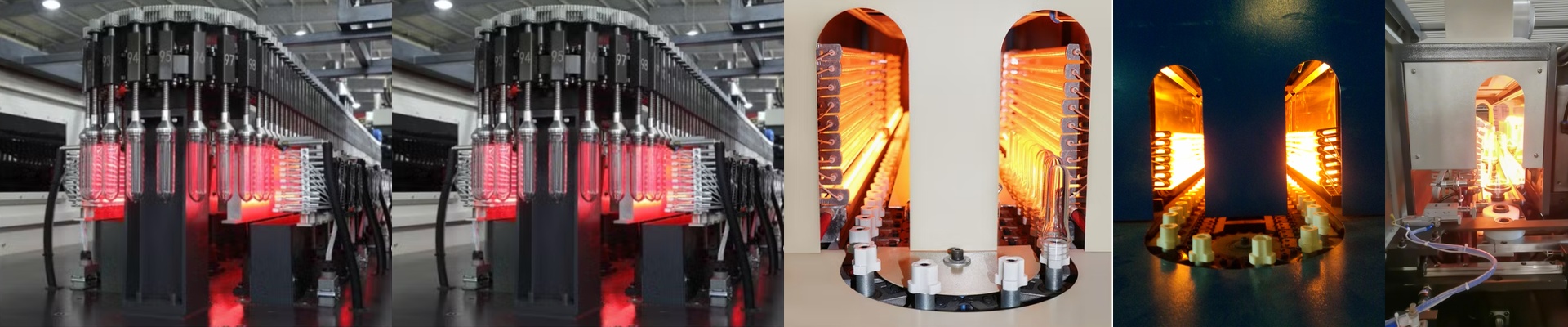
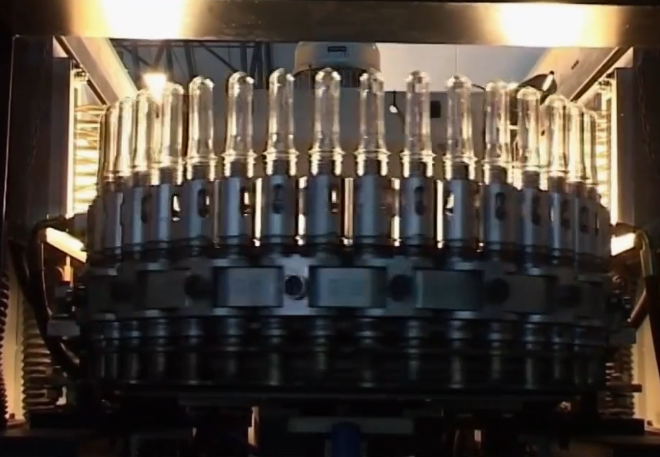
If you’re running a Krones Contiform 3 Pro or a Husky HyPET, you already know the struggle. You’re trying to get the center of that preform hot enough to blow, but by the time the core is ready, the outside is practically scorching. It’s a frustrating balancing act. That’s exactly why we built our replacement lamps. We wanted to stop the surface burn and actually get the heat deep inside.
The secret to deep heating
Most standard lamps just blast energy onto the outer skin of the plastic. It’s inefficient. We decided to tweak the spectral output and play around with the filament density and quartz. The goal? To push the infrared radiation right into the core of the PET. When the heat hits the center, you get a consistent temperature throughout the whole wall. No more fighting those annoying cold spots that leave you with pearlescence or bottles that look wonky because the wall distribution is all over the place. It just works.
Swapping them in
We kept these simple. They’re drop-in replacements. We used high-grade quartz glass because these things take a beating with rapid thermal cycling. Plus, the connectors match your current setup exactly. You won’t have to spend your afternoon rewiring the oven just to swap out a tube. One thing to watch out for: we use high watt-density filaments so the lamps heat up fast. But that extra power puts more stress on your oven’s reflectors. Keep them polished. If they’re dirty, that energy just bounces away, and you’re basically paying to heat the room instead of the plastic.
What this does for your day
When the heat actually penetrates the plastic, you can stop pushing your oven to the limit. You can usually dial back the overall temperature and still get a full melt in the core. This is a huge win because it keeps your neck finish from overheating. Less surface stress. More stable cycles. It just makes the whole process feel a lot smoother.