Getting Your Heat Right in PET Blow Molding
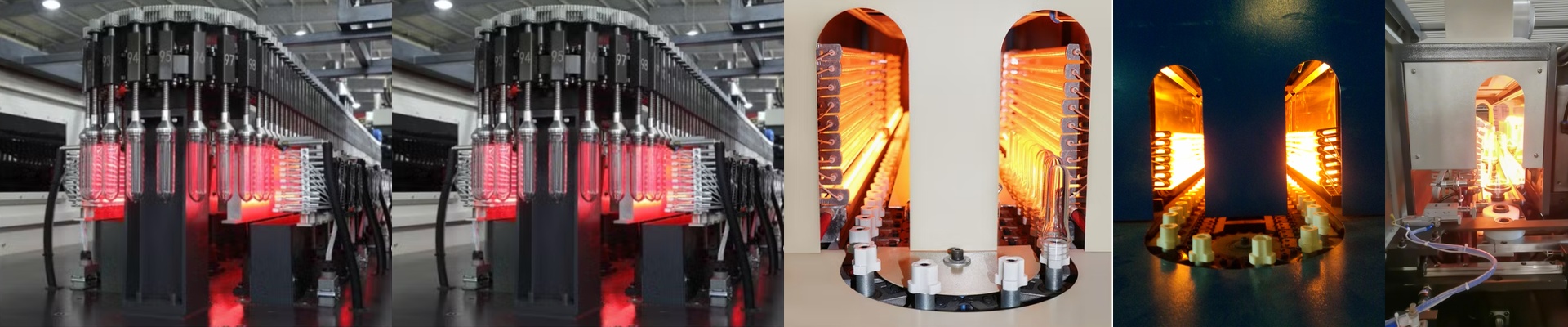
If you’re running Sidel SBO 4/6 or KHS machines, you already know the real headache isn’t just getting the oven hot. It’s about where that heat actually goes. There is nothing more frustrating than pulling a bottle and seeing those uneven walls—too thin in one spot, too thick in another—usually because the preform had a cold spot or the neck got scorched. We spent a lot of time obsessing over the filament winding and the purity of the quartz to stop that from happening. The secret is in the heat field. These lamps use shortwave infrared to punch through the PET quickly. We use a specific grade of quartz glass so the tube doesn’t just soak up the energy itself. Instead, it pushes that heat straight into the preform. Most lamps have a “dip” in temperature near the ends of the tube. We fixed that by tweaking the filament density. The result? A flat, consistent heat profile across the whole zone. No more guessing. Swapping them out is easy. These are total drop-in replacements. Whether your machine is a newer model or an older vintage, we use the standard R7s or Sk15 connectors. You won’t have to touch your wiring or spend all day rewiring the oven. We kept the wattage and voltage exactly where the OEM wants them, but we changed the internal gas mix. It’s a small detail, but it makes the filament last a lot longer. You’ll notice the heat transfer feels more predictable, too. One quick heads-up on the trade-off. More heat density means you can crank up your cycle times and get more bottles out the door. But there’s a catch. When you run these lamps at full tilt, your cooling fans have to work harder. If your vents are clogged or your airflow is weak, your reflectors can overheat. That’s a fast track to burning out your lamps way too soon. Just keep your airflow clear, and these things will do their job.