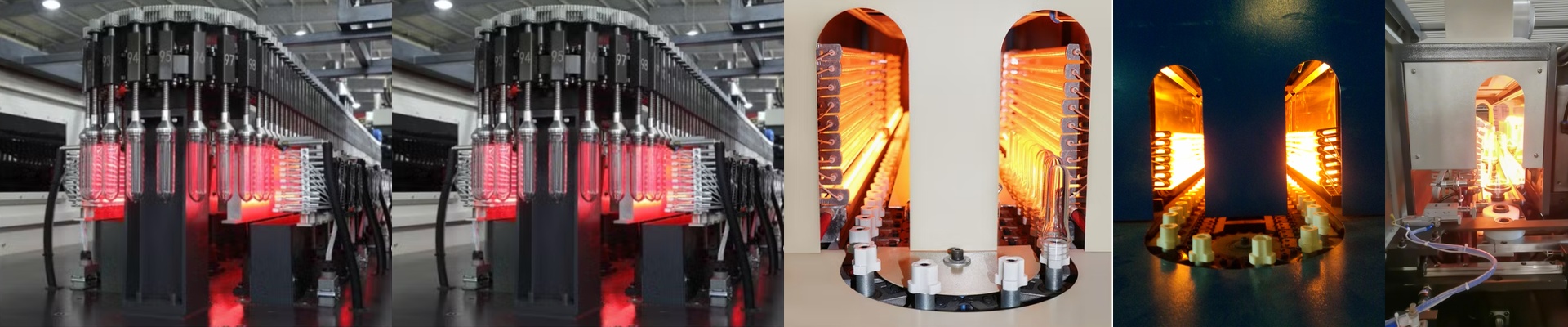
Getting the Heat Right: Sidel Matrix Infrared Lamps
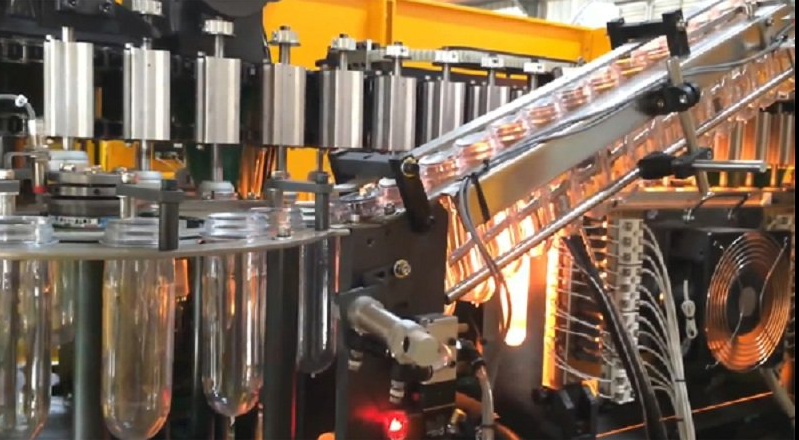
Here’s the deal when you’re swapping out OEM lamps in a Sidel Matrix blower: the biggest headache is the temperature curve. If the wattage or the light output is even a tiny bit off, your preform heating profile goes sideways. We don’t believe in “close enough.” We build our replacement lamps to be an exact mirror of the originals so you don’t have to deal with that.
Why the “Exact Match” Matters
Think about how the heat actually hits the plastic. It’s all about the relationship between voltage, wattage, and the surface area of the filament. We spec our lamps to hit the same electrical footprint as the Sidel units. If the original needs a specific voltage and wattage over a certain length, that’s exactly what we give you. This keeps the power density—the actual energy hitting the PET resin—exactly where it should be. It means you won’t spend your entire afternoon fiddling with oven settings or staring at “burnt” spots on your bottles. It just works.
The Nitty-Gritty: Quartz and Fit
We use high-purity quartz glass. Why? Because we need those short-wave infrared rays to pass straight through without getting soaked up by the glass. The filament is also calibrated to run at a specific temperature, keeping the emission spectrum identical to the OEM. Plus, they’re a true drop-in replacement. The connectors and dimensions fit your existing housing perfectly, so you aren’t hacking away at your machine to make them fit.
A Quick Word of Caution
High-wattage lamps are great for fast cycle times, but they pull a lot of power. If your electrical contacts are worn down or pitted, those high-draw lamps can actually fry your sockets. Do yourself a favor: check your wiring and make sure the contact tension is tight while you’re doing the swap. It’ll save you a massive headache later. At the end of the day, we aren’t trying to give you “better” heat. We’re giving you the same heat your machine was tuned for. That’s how you keep your blow-molding process steady and predictable.