Stop Throwing Away Your Towel Rails
Let’s be honest: most towel rail heaters are designed to be disposable. You buy one, it works great for five years, and then one day a heating element pops. Suddenly, you’re staring at a giant piece of useless metal. You either have to tear the whole thing apart in a desperate attempt to fix it, or just toss the entire chassis in the trash. It’s a waste. So, we decided to do things differently.
The “Swap and Go” Approach
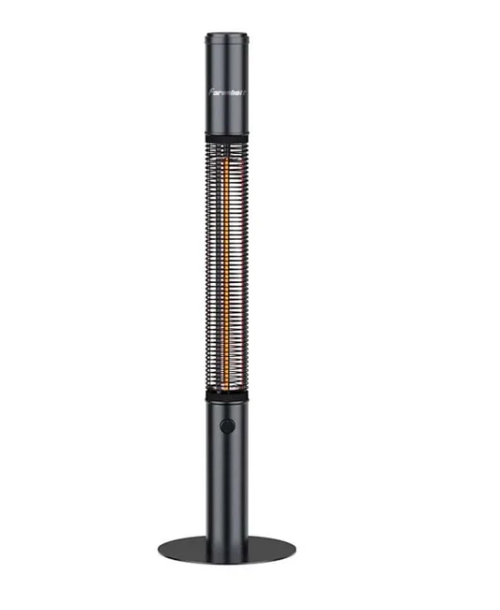
We moved away from that “all-in-one” nightmare and went with a modular infrared setup. Here’s the thing: instead of soldering the heating coils directly into the frame, we use quick-connect terminals. Think of it like a Lego set for your bathroom. If a tube dies, you don’t have to rewire the whole rack or call in a specialist for a half-day job. You just pull out the dead module and drop in a new one.A four-hour headache becomes a fifteen-minute fix.
Why Infrared? (And the Catch)
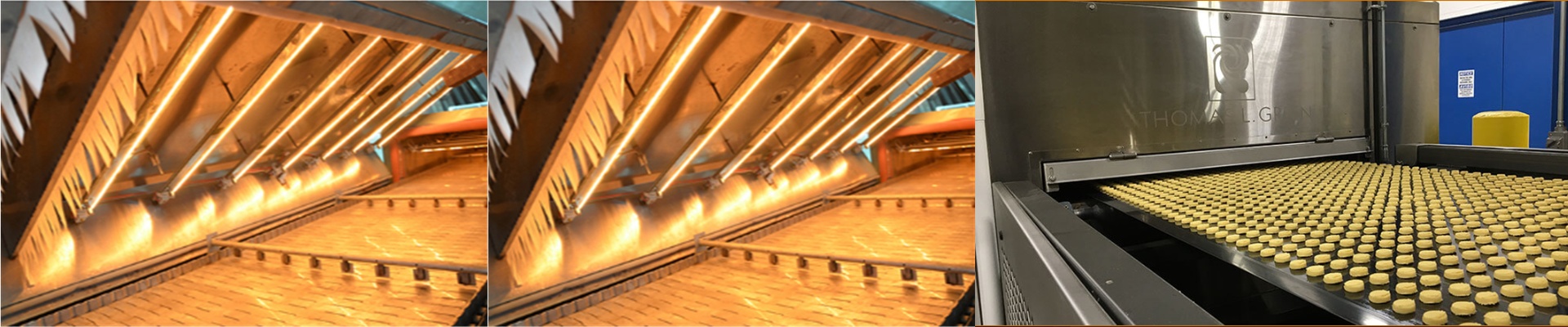
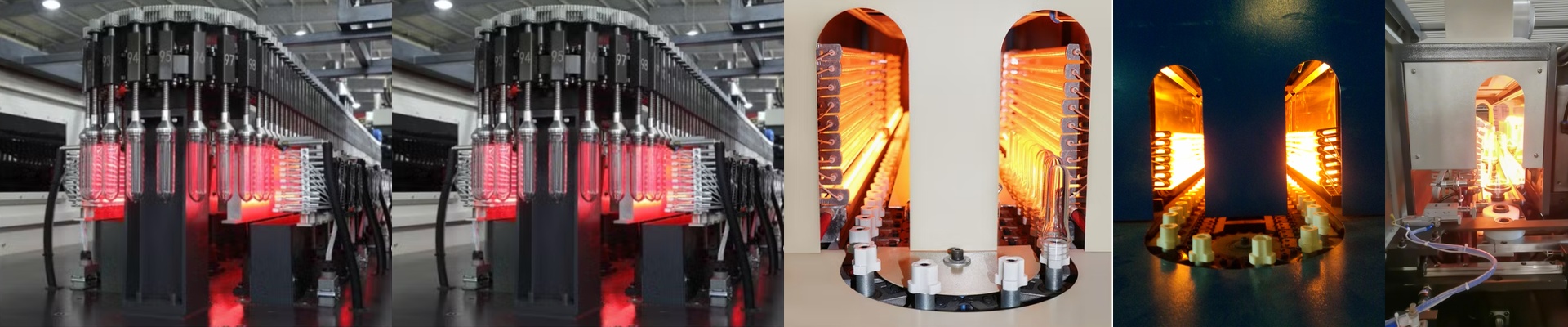
Infrared is great because it’s fast. Really fast. Unlike those old fluid-filled rails that take forever to warm up, infrared sends heat directly into the fabric of your towel. You don’t need the metal surface to get scorching hot to get your towel dry; the energy just jumps straight into the cloth. But there’s a trade-off. High-wattage infrared tubes take a beating. They expand and contract every time you turn them on and off, and eventually, that stress wears the wire down. We knew this would happen. So instead of pretending these parts last forever, we treated the element as a wear-part. We made it easy to replace because we know that, eventually, you’ll need to.
Keeping it Running
The best part? You don’t need a professional workshop to keep these things humming. Since we use standardized footprints, everything stays lined up perfectly. The electrical load stays balanced, and the housing doesn’t get stressed. Just a quick tip: when you’re grabbing a replacement, make sure the voltage and wattage match your original specs. You don’t want to be the person who trips the breaker or overheats the frame because you grabbed the wrong part. Simple as that.