Stopping the Burn: Why Speed Matters in Your Oven
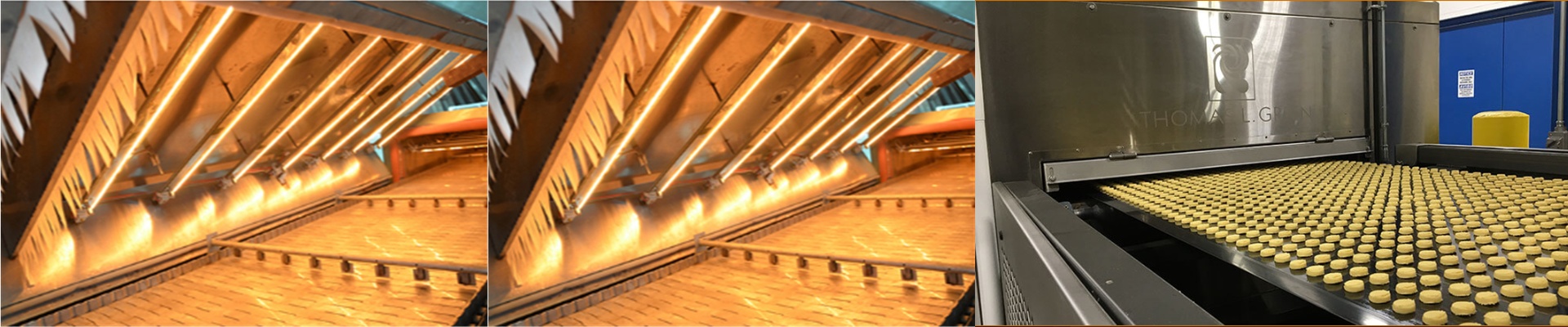
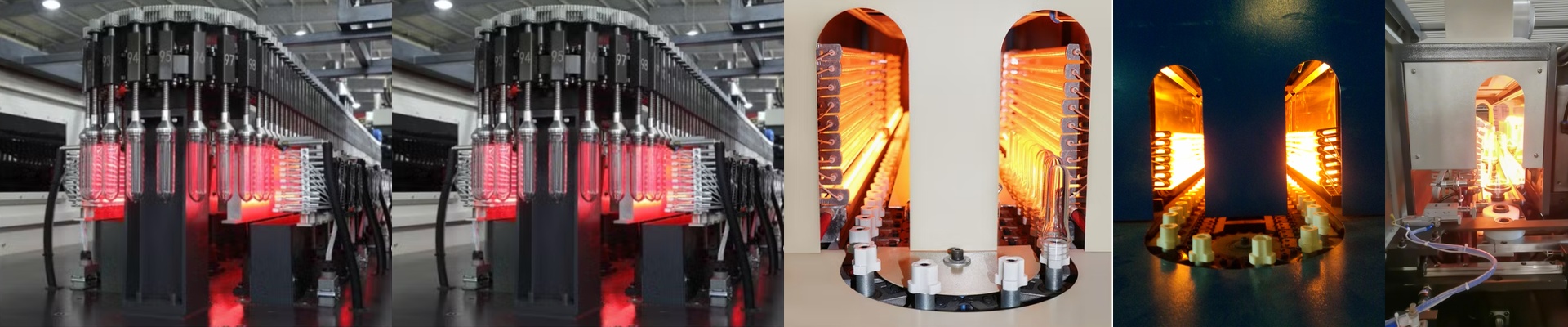
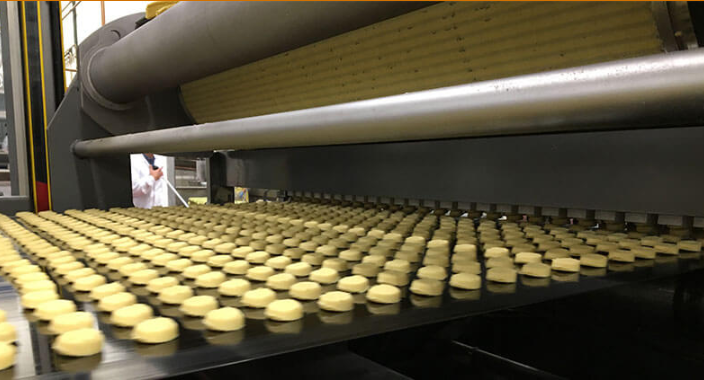
In a commercial bakery, the difference between a golden-brown crust and a charcoal brick is usually just a few seconds. It’s a stressful game of timing. That’s why we lean on short-wave infrared lamps. Most heaters are like big heavy rocks—they take forever to get hot and even longer to cool down. These lamps are different. They don’t bother heating up the air around the food; they just beam energy straight into the product. It’s almost instant. When your controller tells the lamp to stop, the heat stops. Right then. We call this “second-level response,” but in plain English, it just means you don’t have to worry about “overshoot.” With old-school high-mass heaters, the element stays glowing red long after the power is cut, bleeding extra heat into your dough and ruining the batch. With these lamps, you’re in total control. As for the gear, we usually go with quartz envelopes and halogen fillings. It’s the best way to pack as much power as possible into a tiny space. Whether you’re using R7s or SK15 connectors, the main thing is making sure the connection is tight. If it’s loose, it’ll oxidize under all that heat, and you’re in trouble. One quick tip: don’t use mechanical relays. They’re too clunky and slow for this. You’ll want a fast-switching SSR (Solid State Relay) to keep things precise. But look, there’s a catch. That intense heat makes the quartz tubes a bit temperamental. They’re fragile. If a worker bumps into them or if grease builds up on the glass, you’ll get a “hot spot.” That’s a one-way ticket to a burnt-out lamp. Keep your environment clean and make sure your mounting brackets are rock solid. If the lamps aren’t shaking or getting dirty, they’ll treat you right.