
Speeding Up Your Bread Line with IR Heating
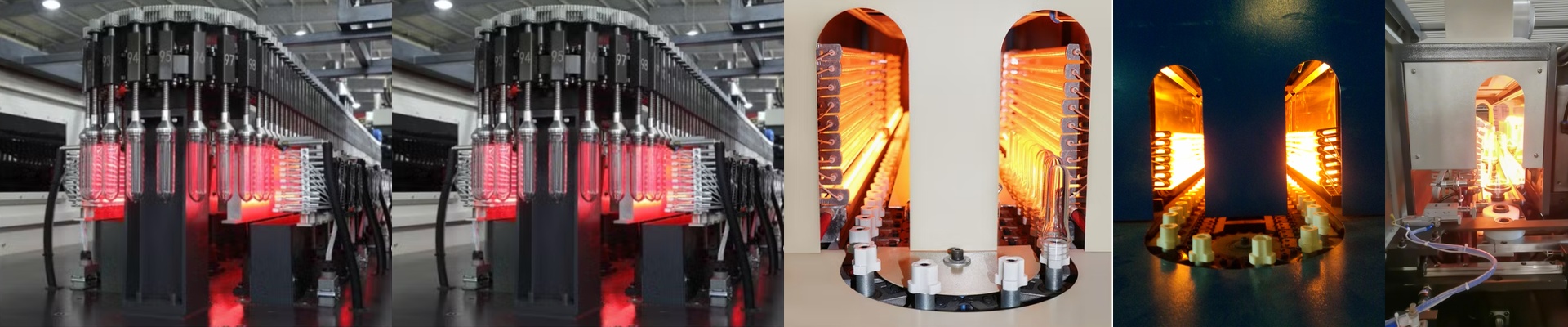
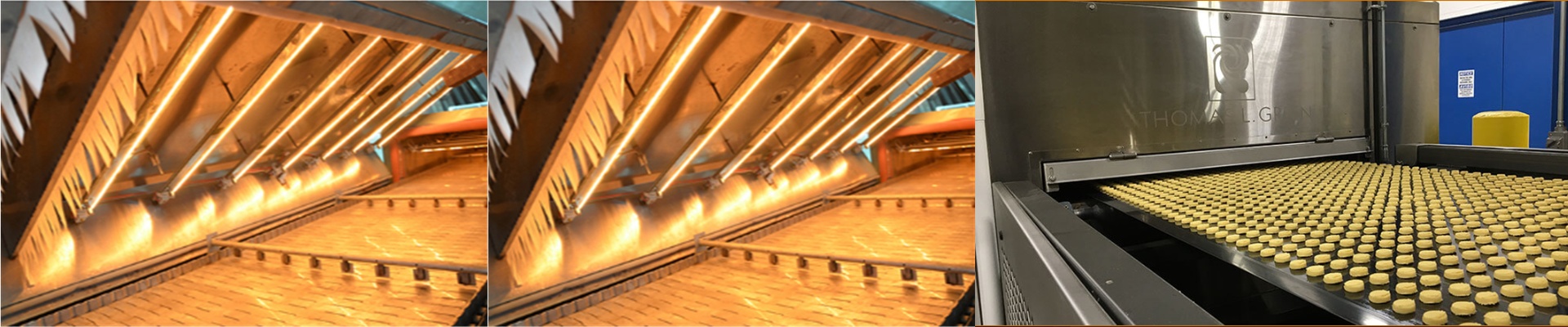
When your kitchen is slammed and the tickets are piling up, the reheating stage is usually where everything grinds to a halt. Most people rely on convection—basically heating up the air and hoping it warms the food. But air is slow. We do things differently. We use short-wave infrared (IR) emitters. Instead of wasting time warming the air around the bread, these hit the surface directly. You go from waiting minutes to waiting seconds. It’s a massive difference when you’re in the weeds. Why it actually works Think of it like the sun hitting your skin on a cold day. You don’t wait for the air to warm up; you feel the heat instantly. Our tubes radiate energy at a wavelength that bread just soaks up. It’s fast. Really fast. And that changes everything for your workflow. You can push way more product through the line without having to buy more floor space or squeeze in another oven. The nitty-gritty on the gear We make these emitters out of high-purity quartz glass so the heat gets through without any interference. Depending on what your shop is wired for, we can set these up for 220V or industrial 400V. If you go with 400V, you get more power in a smaller package. Just a heads-up: make sure your wiring and contactors can actually handle that load, or you’ll be replacing burnt-out parts way sooner than you’d like. As for the install, we use standard R7s or Sk15 connectors. They’re basically drop-in replacements for most industrial racks. If a tube pops during a shift change, you can swap it out in a heartbeat without having to strip the whole housing. A few things to watch out for Now, here’s the catch. IR heating is powerful, but it can be aggressive. If you crank the wattage too high or put the tube too close to the bread, you’ll end up with a scorched crust and a frozen center. It’s a tight balance. You’ll want a solid timer or a sensor-based trigger to make sure the bread doesn’t sit there too long. And don’t forget about airflow. Even though the air isn’t doing the heating, the chassis still takes a beating from all that radiant energy. Keep it ventilated so your equipment doesn’t cook itself.