
Does a Fast Response Actually Save You Energy? Let’s Talk About Temp Control
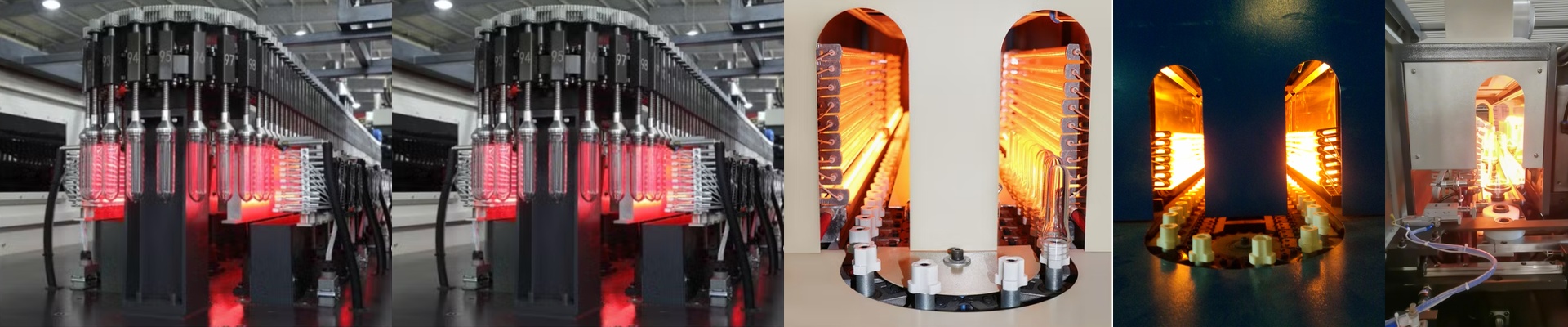
In the world of rotary ovens, you’ll hear people talk a lot about “second-level response.” It sounds like a fancy spec sheet term, but it’s actually pretty simple. It’s all about fighting thermal inertia. When we use circular ceramic heaters, we’re trying to kill the lag. You want the gap between the controller saying “go” and the heater actually hitting that temperature to be as tiny as possible. The problem with “heavy” heat Think about those standard, thick-walled heaters. They’re like giant sponges for energy. They soak up so much heat that they stay scorching hot long after the controller tells them to shut off. That’s where you get “overshoot.” You end up in this annoying cycle where you’re basically fighting the heat you already created. To fix this, we use specific ceramic composites in our circular heaters to strip away that extra mass. Less bulk means the element hits your target temperature fast—and more importantly, it drops off just as quickly when you need it to. How this actually lowers your power bill Here’s the thing: when your heater responds in seconds, your thermal curve stops swinging. Instead of that wild rollercoaster ride where the temp jumps above and below your target, you get a nice, flat line. You stop throwing kilowatts away just to correct a mistake the heater made five minutes ago. Plus, it gives you a lot more confidence. You can run your oven right up against the actual temperature you need without worrying that a sudden spike will burn your product. The trade-offs (because nothing is free) Now, there is a catch. These heaters work at a much higher power density. If you try to run them with an old, slow-acting relay, you’re going to fry your contacts. It just won’t hold up. You’ll need solid-state relays (SSRs) to handle all that rapid-fire switching. And one more thing to keep in mind: since these elements don’t store a bunch of “backup” heat, they’re sensitive. If your voltage dips or the power flickers for a second, you’ll see it in your product temperature almost immediately. You’ve got to make sure your power supply is rock solid.