
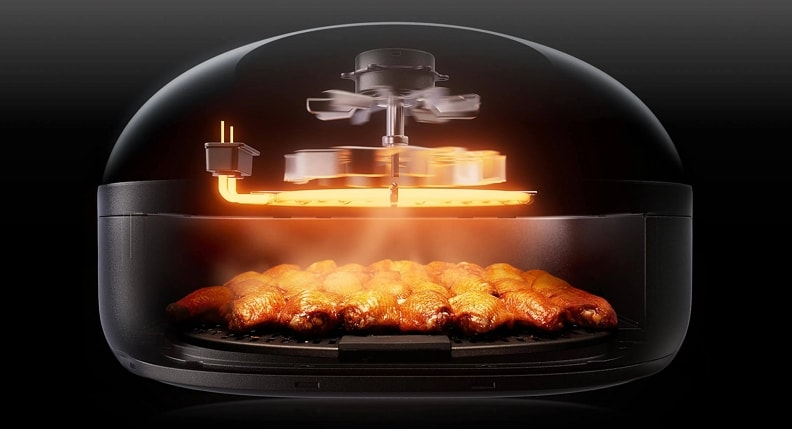
Getting Your Rotary Oven Heat Just Right
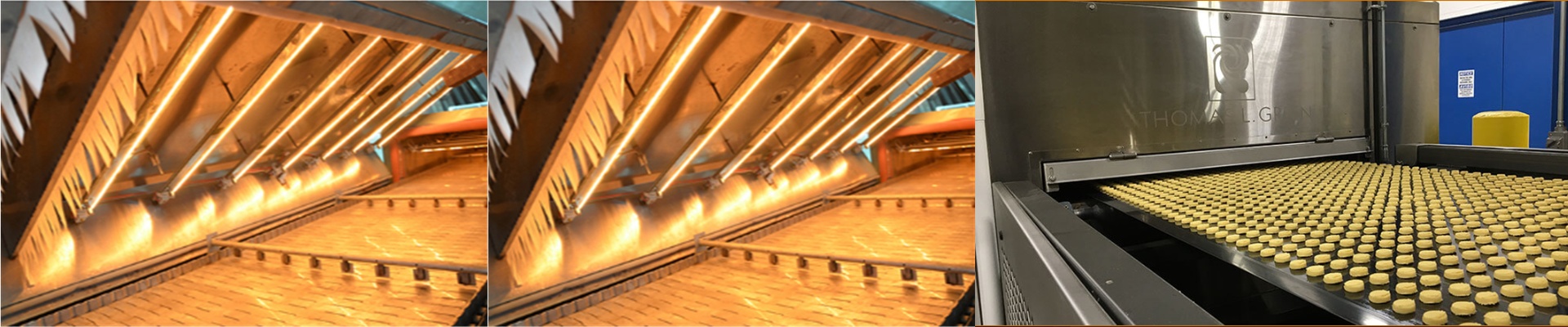
If you’re running an automated commercial kitchen, you know the drill. You need that perfect, even brown across your product, every single time. That’s where the circular infrared heating bulb comes in. Now, these aren’t your typical light bulbs. Think of them as high-density quartz powerhouses. They’re built to blast immediate radiant energy onto whatever is rotating inside that oven. When you hook these up to a PLC system, the real goal is simple: stop those annoying temperature swings that leave half your batch burnt and the other half pale. The Power Side of Things We build these bulbs to fit your specific oven size, but you’ve got to be careful with the math. A high-wattage element gets you up to temp fast. That’s great. But if you pop in a 2000W bulb when your relay can only handle 1500W, you’re going to fry your switch in about a week. It’s a painful lesson to learn. We use quartz glass for a reason. It keeps the filament safe while letting the IR heat pour through without any roadblocks. How to Actually Control the Heat Here’s the thing: the bulb is only half the battle. The real magic is in how you drive it. I always suggest using PID controllers and Solid State Relays (SSRs). This lets you use pulse-width modulation, which is just a fancy way of saying you can throttle the heat. Instead of just slamming the heat “on” or “off,” you can dial it in. And if you need something a bit more specific? We can tweak the filament length or the coil density. We can push the heat toward the center or out to the edges. This kills those “cold spots” that usually happen as the oven spins. A Few Things to Watch Out For These bulbs put out a massive amount of heat. That’s the point, right? But it can mess with your head—or rather, your sensors. If your thermocouples are sitting too close to the bulb, they’ll pick up that radiant interference and give you a fake reading. You’ll think the oven is screaming hot when it isn’t. You’ve got to shield those sensors or fix the offset in your software. Plus, don’t forget about airflow. If you don’t have proper ventilation, the heat just soaks into everything. Eventually, it’ll eat right through your wiring insulation. Not a great look.