How to pick the right infrared heater for your bathroom
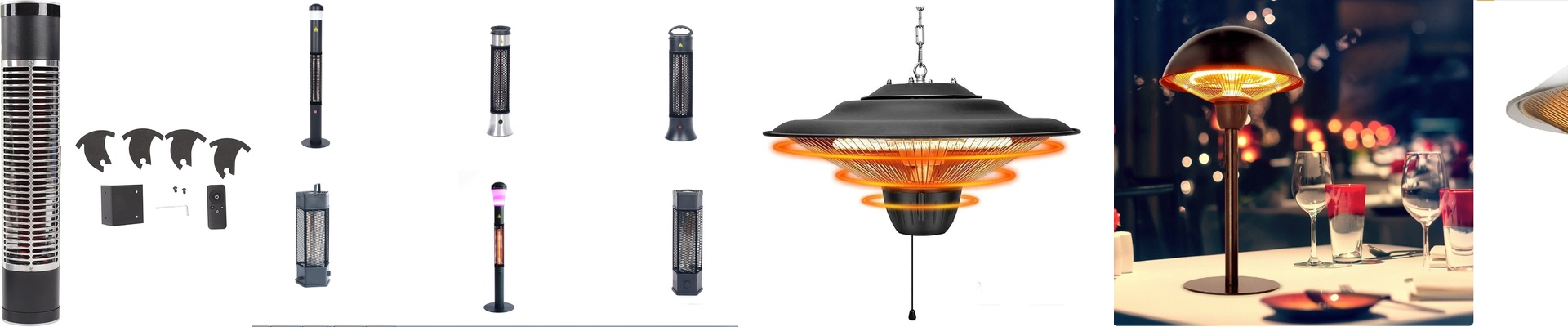
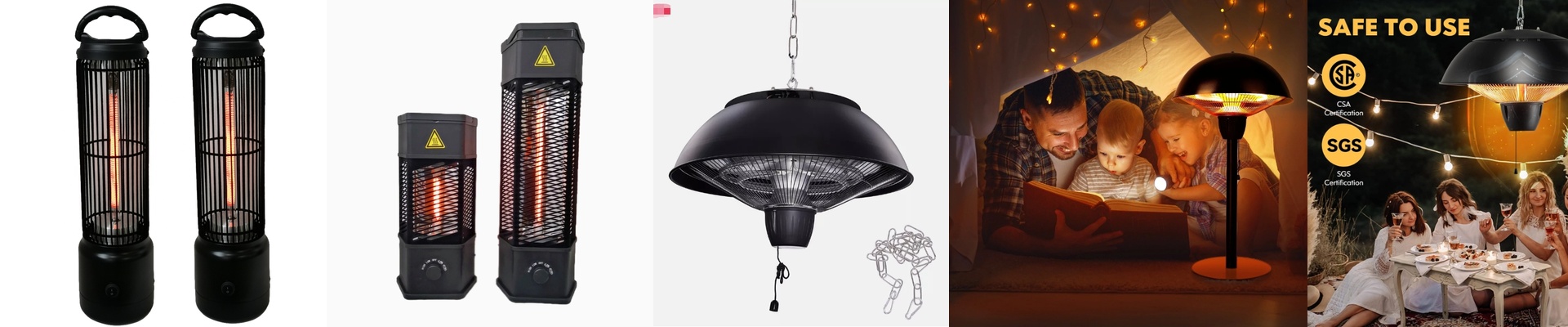
Let’s be honest: there is nothing worse than stepping out of a hot shower into a bathroom that feels like a walk-in freezer. You want that cozy, warm feeling the second you hit the tile. But getting that right isn’t just about buying the biggest heater you can find. If you go too small, you’re still shivering. Go too big, and you’re basically turning your bathroom into a sauna—which wastes a ton of electricity and just feels weird. It’s all about finding that sweet spot. Picking your power If you’ve got a tiny powder room (anything under 4 square meters), you don’t need a beast of a machine. A simple 400W to 600W lamp usually does the trick. It’s a small space, so it warms up fast. For those mid-sized bathrooms—maybe around 5 to 8 square meters—you’ll want to bump that up to 800W or 1200W. Now, if you have a massive master bath (10 square meters or more), here is a pro tip:**don’t just buy one giant heater.**Why? Because you’ll end up with one scorching hot spot and a few freezing cold corners. Instead, spread the love. Put in two or three smaller units. It makes the warmth feel even and natural across the whole room. The deal with IP65 ratings You’ll see “IP65” on the box. In plain English, that just means it’s sealed up tight against water. In a bathroom, this is a must. You don’t want steam or splashes hitting the electrical bits—that’s how things short out and stop working. But there is a little catch. Because the unit is sealed to keep water out, the heat inside the housing can build up. That’s why the materials matter. You want a housing that can take the heat without warping or smelling like melting plastic. If you cram a massive lamp into a tiny, sealed box, things get hot fast. Just keep an eye on that. Getting the most out of it Here is the cool thing about infrared: it doesn’t waste time heating up the air or the ceiling. It heats you and the floor. It’s a direct hit of warmth. To really make it work, think about your ceiling height. You want the heat to actually reach you before it fades away. And if you want to save some cash on your power bill? Hook your heaters up to a motion sensor or a timer. That way, the heat is waiting for you when you walk in, but it isn’t running all day while the room is empty. Simple.