Why your bathroom heater keeps dying (and what actually works)
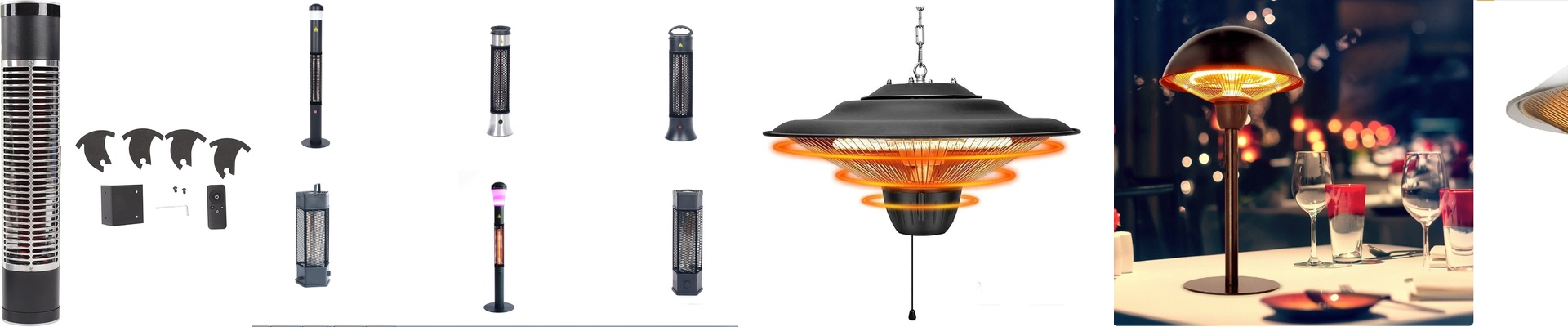
Ever notice how those old-school bathroom heat lamps always seem to burn out right when you need them most? Usually, it’s because they just weren’t built for the steam. We’re seeing a lot more people ditch the basic bulbs for waterproof infrared heaters. It’s a different approach entirely—moving away from those fragile halogen bulbs and switching to sealed systems.
The problem with the “cheap” stuff
Most basic heaters use open-element lamps. Think about it: you’ve got a piece of glass getting incredibly hot, and then a stray droplet of water or a cloud of steam hits it. Crack. That’s thermal shock. It kills the glass or fries the filament. If you find yourself climbing a ladder to replace bulbs every single winter, this is why.
How the waterproof stuff actually works
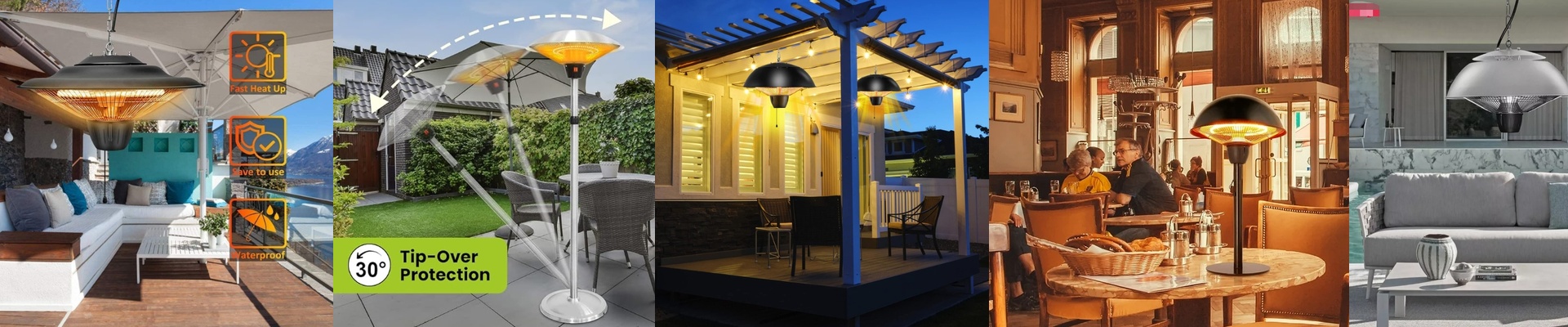
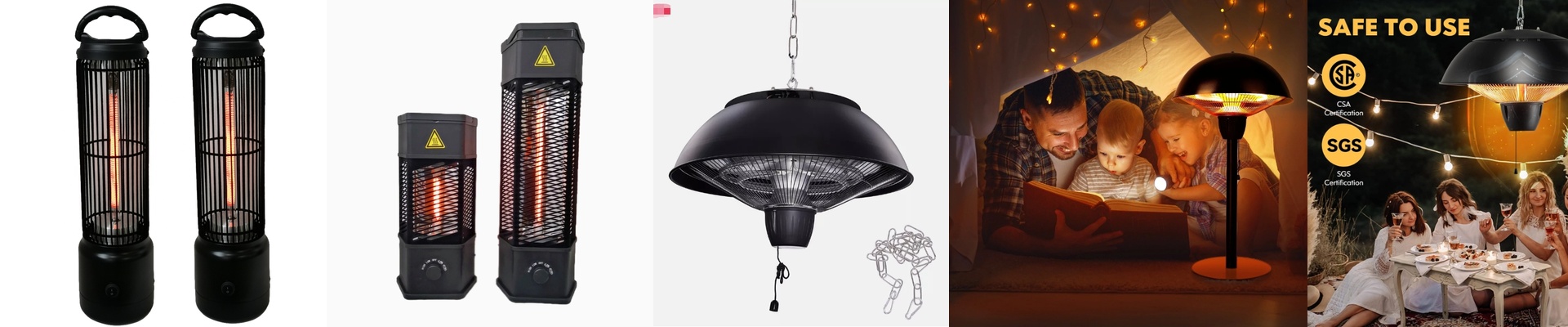
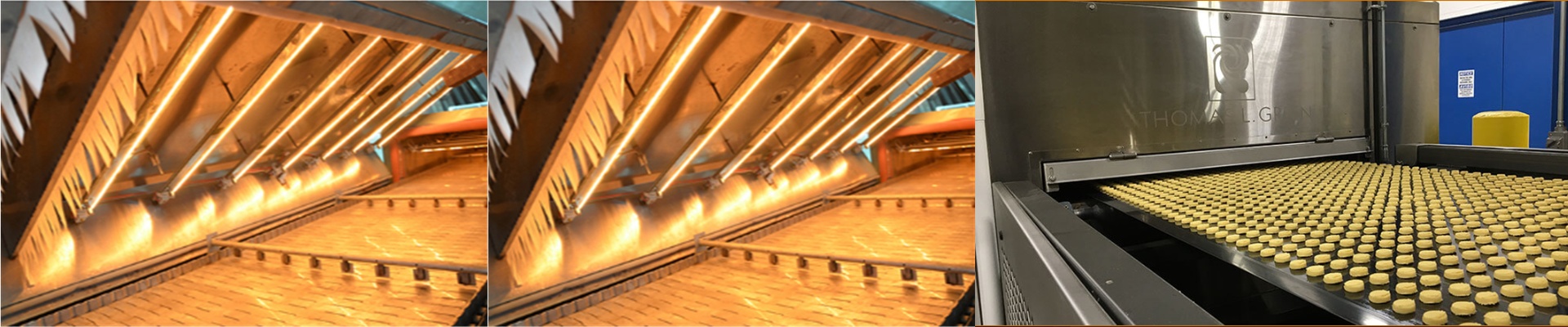
To keep the water out, these units use IP-rated enclosures. Basically, the electrical guts and the heating element are tucked away behind tempered glass or a tough polymer shield. It keeps the moisture away from the live wires. No moisture means no short circuits, which is a huge relief when you’re standing in a wet room. Then there’s the heat itself. These use short-wave infrared. Here’s the cool part: it doesn’t bother heating up the air. It goes straight for you. In a damp bathroom, trying to heat the air just creates more steam and makes everything feel muggy. Infrared just cuts through the mist and warms your skin directly. It feels more like standing in the sun.
The “catch” (and what to watch for)
You can’t just pop one of these into a standard light socket. You’ll need dedicated wiring and a proper ground to keep things safe. They also take up a bit more room than a recessed light, so keep that in mind for your ceiling space. And a quick heads-up on the casing. Because those waterproof seals are so good at keeping moisture out, they can accidentally trap heat inside the housing. If you go too cheap on the chassis, the internal wiring can get brittle and fail over time. Make sure you’re using a unit with a high thermal threshold or decent ventilation. It’s a small detail, but it’s the difference between a heater that lasts a decade and one that quits after a year.