Sidel Series 2 Infrared Radiator: Heat That Actually Works for Your KHS Blow Molder
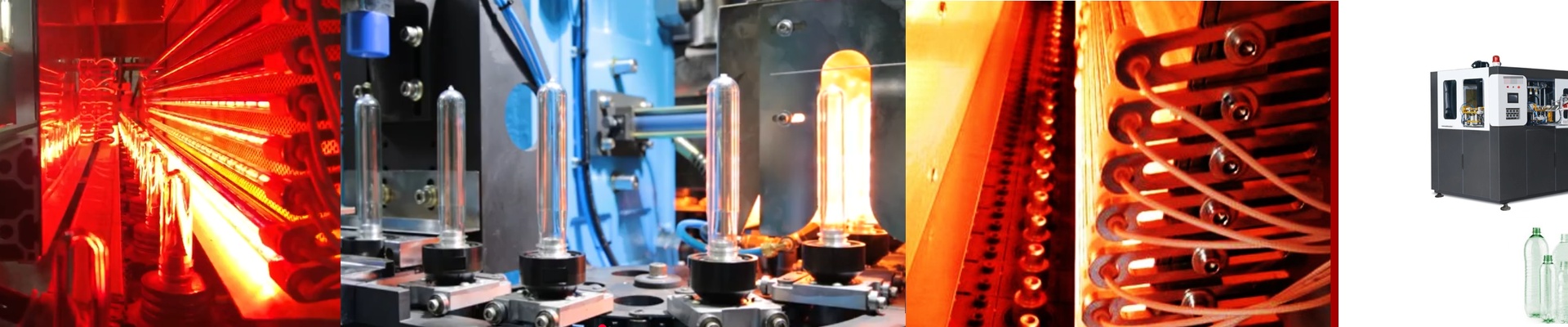
Let’s cut to the chase. We built the Sidel Series 2 infrared radiator to fix one headache on the blow molding line: getting your PET preforms hot—fast—without creating hot spots. If your KHS machine is fighting uneven heating, the problem usually isn’t the machine. It’s the heat field. This lamp puts you back in control right where it matters.
Power, Voltage, and Size—Built for the Real World
The Series 2 is a shortwave infrared halogen radiator, and it’s designed to pack a lot of heat into a small space. We set it at 400V and 2500W because on an industrial floor, you need heat that responds quickly and stays steady, cycle after cycle. And the 300mm length? That’s intentional. It keeps the heat focused on the preform shoulder and body, instead of spilling energy onto parts that don’t need it. That power/voltage combo isn’t random. High voltage at this wattage lowers current draw, which means less line loss and a cooler terminal block. The tight length also lines up with the heating window on KHS blow molders, so you can swap it in without rebuilding the reflector cavity or messing with the mount.
The Materials Matter: Quartz Tube, Reflective Coating, R7S Base
The tube is quartz, and that matters when your day is full of rapid heat-ups and cool-downs. It handles thermal shock well and delivers consistent infrared transmission. Inside, the halogen capsule keeps the filament stable over repeated cycles, which helps reduce burnout—especially in high-cycle blow molding. We added a reflective coating to shape the heat field. It pushes more energy forward and cuts down on stray radiation that can overheat nearby sensors and labels. And the R7S base? It’s an industrial-grade connection that’s direct and reliable. No adapters. No loose contacts. You wire it up, set the distance, and it locks in place with repeatable alignment.
What It Feels Like on a KHS Machine
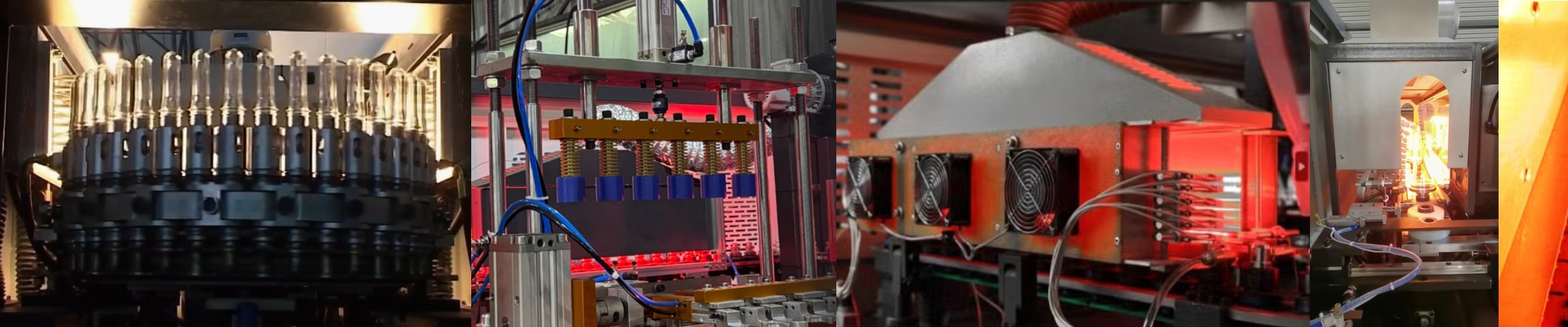
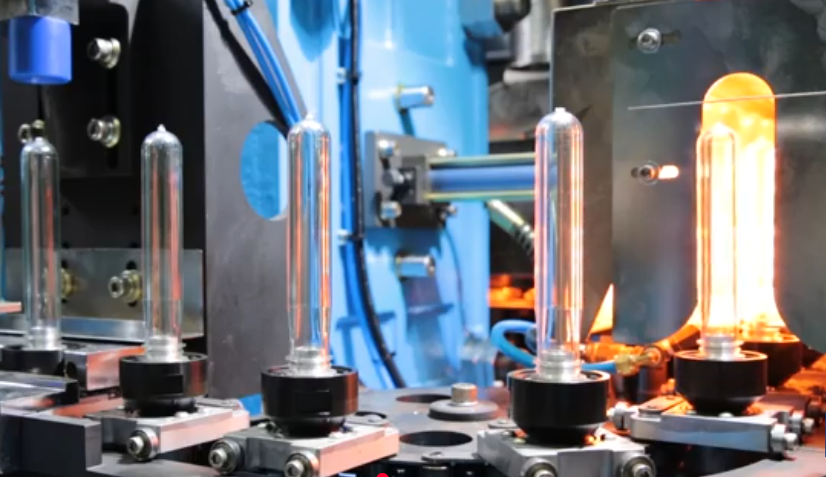
On KHS machines, the Series 2 drops right into the heating section. The payoff is a more even heat across the preform. That means fewer thickness variations, less scrap, and bottle weight that stays consistent. Here’s the honest part: 2500W at 400V creates serious heat density. Make sure your machine’s cooling is up to the task, and keep the reflector clean. When you do, the heating becomes predictable, and the line keeps moving instead of stopping for tweaks.