
How to Pick the Right IR Emitters for Your Chafing Dishes
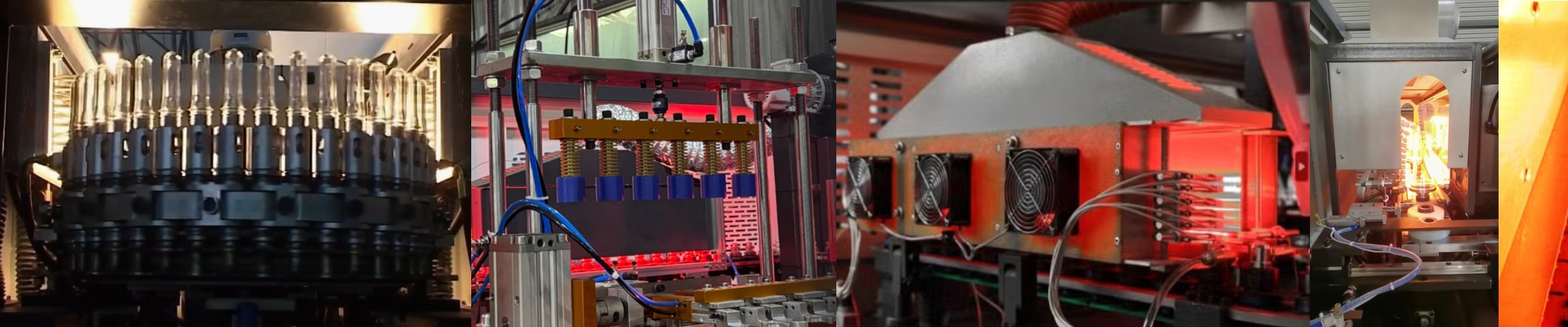
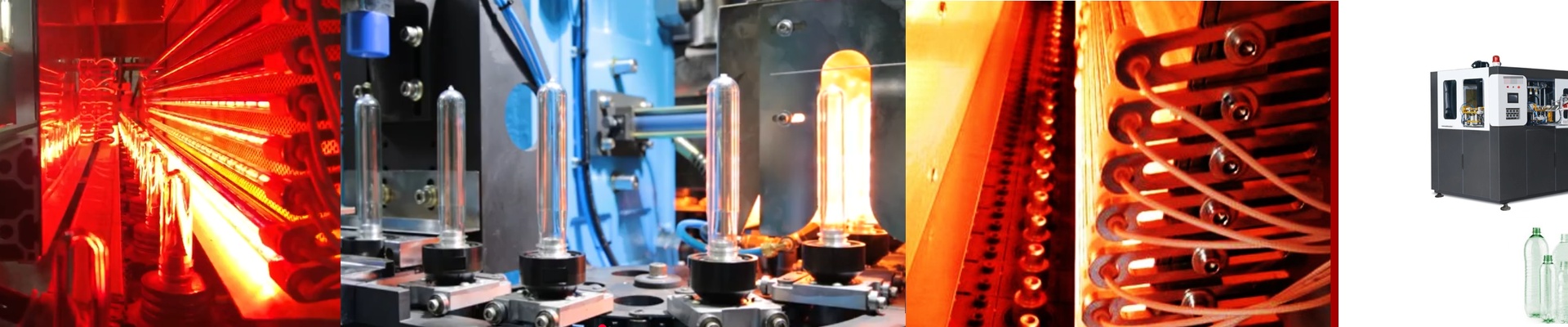
If you’re looking to swap out those overpriced OEM heating lamps in your commercial chafing dishes, don’t just look at the wattage and call it a day. That’s a rookie mistake. If you don’t pay attention to the spectral output and how the lamp is actually built, you’ll be replacing those tubes every few weeks. The heat struggle To get food hot fast, you need short-wave infrared (SWIR). We use high-purity quartz glass for our tungsten filaments because it can handle extreme heat without warping. Here’s the thing: if you cram too much wattage into a short tube, you get a lot of heat density. That’s great for the food, but it’s tough on your gear. If you go too high for your specific housing, you might actually melt your plastic reflectors. Not a great look. The little things that matter Most of these use R7s or SK15 connectors. They’re standard, sure, but the quality of the contact spring is where things usually go wrong. We use gold-plated or heavy-duty nickel contacts. Why? Because oxidation is a killer. It causes arcing, and arcing kills your lamp way before its time. We also add a special coating to the quartz. It shifts the spectrum so the heat actually gets into the food instead of just searing the top layer and leaving the middle cold. What to watch out for Switching to a more affordable alternative works great, but check your voltage first. If you have a lamp rated for 230V and your line spikes to 240V, it’s going to run way too hot and burn out. You also need to make sure your controllers can handle the initial surge of power these halogen-style emitters pull. And a quick tip: check your wiring. If it’s too thin, you’ll get a voltage drop. You’ll lose your heating speed, and you’re right back where you started.