A Smarter Way to Scale Your Bakery Without Breaking the Bank
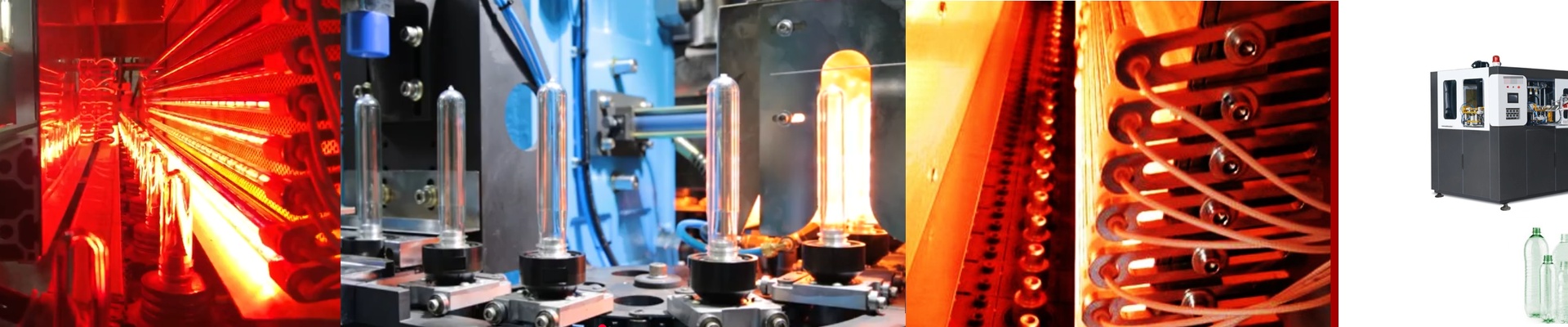
If you’re growing a bakery chain, you already know the headache. You need more ovens, but the cost of high-end equipment starts to eat your margins alive. It’s a bottleneck that keeps a lot of great bakers from expanding. But here’s a trick: stop relying on those old-school resistive heating elements. Switching to high-output infrared (IR) heating tubes in your deck ovens lets you hit your temps way faster, and it actually costs you less in hardware. How it actually works Most ovens waste time heating up the air around the bread. Our IR tubes don’t bother with that. They shoot radiant energy straight into the dough. Because we use shortwave or medium-wave quartz, the heat transfer is instant. Since these tubes pack so much punch into a small space, the oven itself doesn’t need to be a giant, heavy beast of a machine. Less steel, less bulk, and a smaller footprint means the manufacturer spends less to build it—and you spend less to buy it. Keeping it clean and simple Let’s be real: commercial kitchens are brutal. They’re humid, messy, and things get knocked around. That’s why we use high-purity quartz glass. It can take a thermal shock without cracking and it doesn’t leak contaminants into your food. And we didn’t want you to need an engineering degree just to fix a part. We used standard connectors, so if a tube eventually burns out, you just pop it out and drop a new one in. No need to rip apart your control board or call in a specialist. The one thing to watch out for Now, there is a catch. IR tubes are incredibly powerful and they react immediately. Unlike a heavy stone deck that holds onto heat for hours, these lamps can overshoot your target temp in a heartbeat if you aren’t careful. To keep from scorching your crust, you’ll want to make sure your PID controllers are dialed in. Using PWM (Pulse Width Modulation) is the secret here—it keeps the heat steady and precise. It’s a fair trade. You get to ditch the expensive, heavy insulation and massive steel casings, but you still get that perfect, golden crust. You just do it with a much leaner budget.