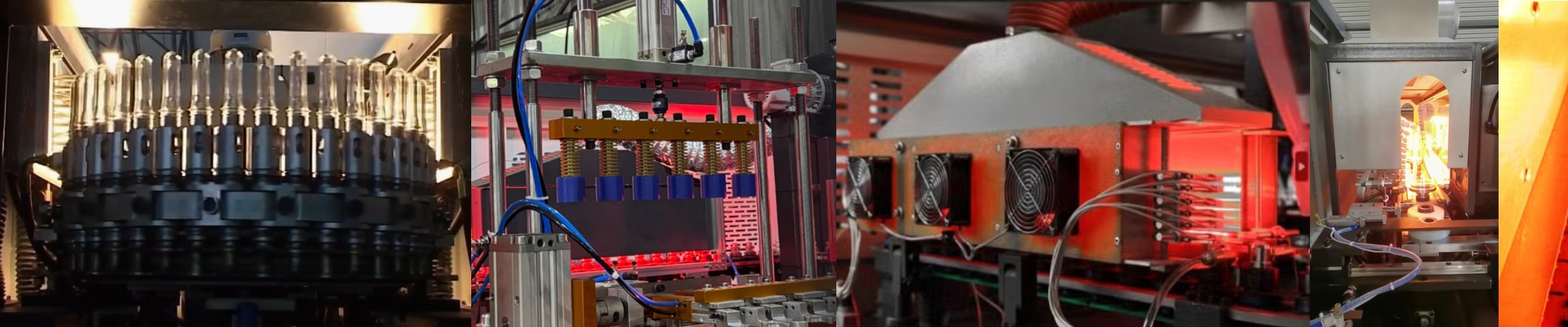

Getting Your Sidel Matrix Heating Just Right
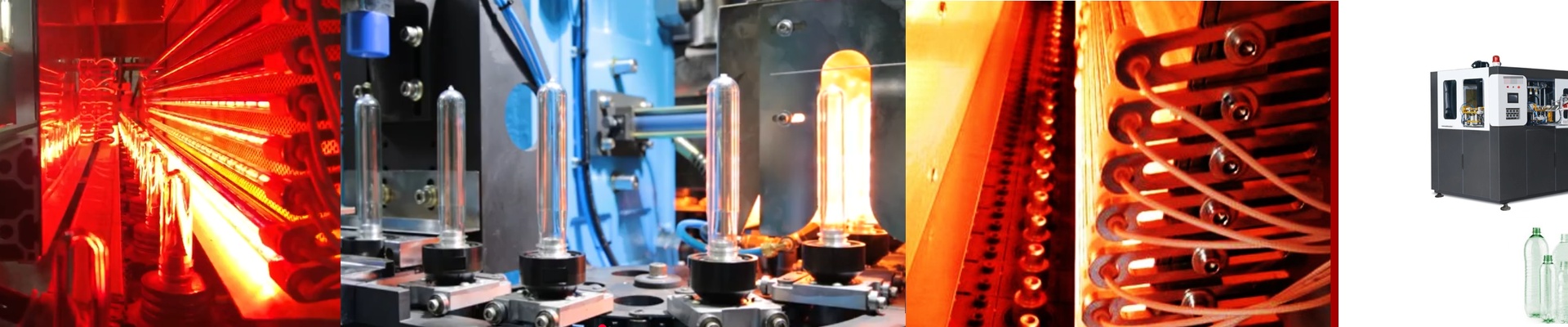
When you’re looking for a new lamp for a Sidel Matrix oven, it’s tempting to think any bulb that fits the slot will do the trick. But here’s the thing: it’s not just about the fit. If the wattage, voltage, or spectral output is slightly off, you’re asking for trouble. You need that PET preform to hit the exact temperature where it becomes pliable—without accidentally scorching the plastic. That’s why we build our IR lamps to be true drop-in replacements. They mirror the original specs so you don’t have to guess.
Why the Tiny Details Matter
We obsess over the heat density per millimeter. Why? Because if the wattage is off by even 5%, you’ll start seeing uneven walls in your bottles. It’s a nightmare to fix once it starts happening. We make sure our filaments match the electrical load of your Sidel system perfectly. This means your power controllers stay happy. No random alarms, no weird fluctuations—just a steady run. And we use high-purity quartz glass. This lets the shortwave radiation soak right into the PET. It stops that annoying “skin effect” where the outside of the preform burns while the middle is still cold.
No-Fuss Installation
Nobody wants to spend their weekend modifying an oven housing. Our lamps use standard industrial connectors, so you can just wire them up and get back to work. We also keep the length and diameter on a very tight leash. No rattling. No shifting. Even when your machine is screaming along at high speeds, these lamps stay exactly where they belong. Plus, we use a halogen cycle. This stops the quartz from darkening as it ages, so you get the same high light transmission from day one until the end of the lamp’s life.
A Few Pro Tips
These high-density lamps put out a massive amount of heat in a very small space. They perform just like the OEM parts, but that means you’ve got to stay on top of your maintenance. Keep your ventilation and cooling fans clean. If the airflow gets choked, the heat builds up and starts stressing your sockets and wiring. It’s a quick fix that saves you a lot of money in the long run. And while you’re at it, give your reflectors a polish. It’s the easiest way to make sure you’re actually getting the full output you paid for.