
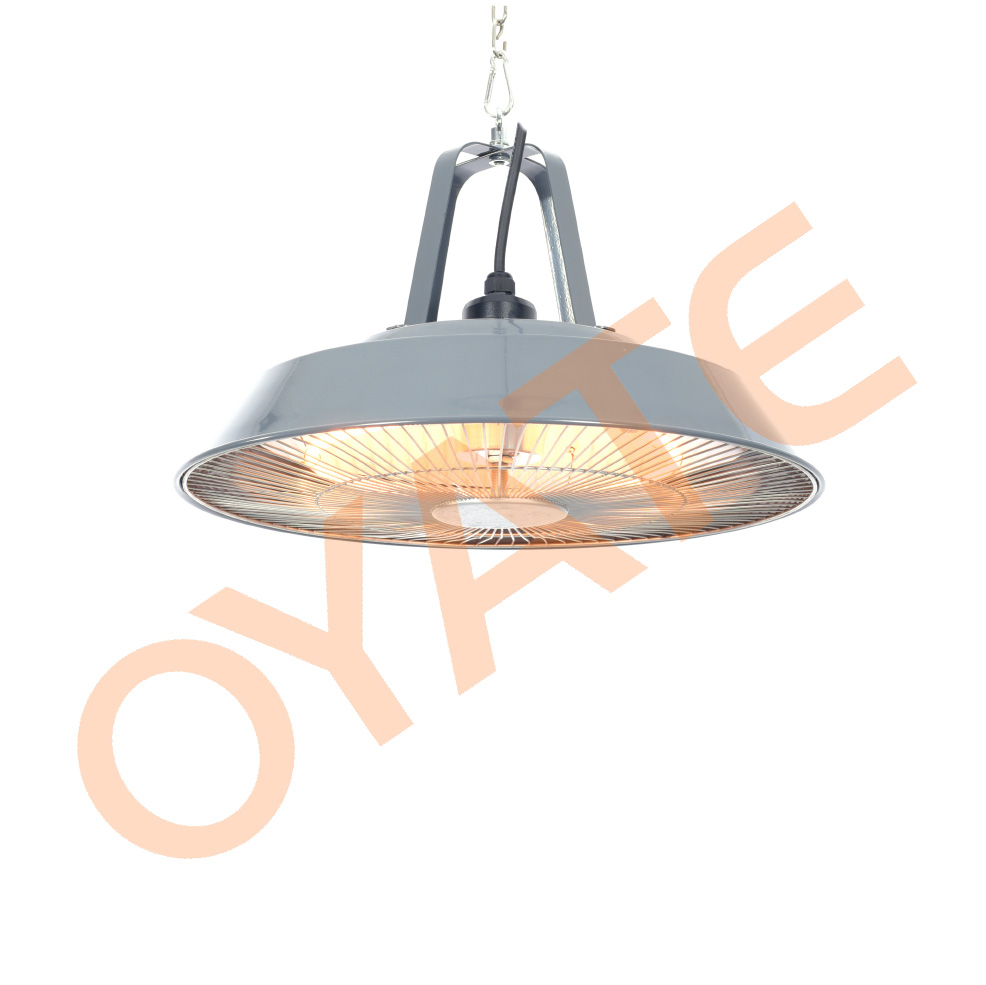
On a cold night, infrared warmth should hit the moment you need it—and stay there. But out in the real world, voltage swings—especially in industrial areas or on busy grids—can chew through element life and turn comfort into a crapshoot. We built our 3-phase electric heater with a circuit compensation system that holds output steady, even when line voltage jumps around. What matters under the hood This heater is built for three-phase supply, pulling balanced current across each leg so you’re not stressing the line or the heater. Inside, the compensation circuit watches incoming voltage and adjusts power delivery on the fly, so the infrared element runs in a stable window. That means consistent radiant heat and fewer thermal shocks that beat up quartz tubes and carbon fiber elements. For you, it comes through as predictable warmth—no flicker that fades when demand spikes. Why this design holds up where it counts Infrared heaters take a beating when voltage is volatile, because the element has to heat fast and repeat that cycle over and over. Our voltage-resilient approach keeps the infrared spectrum steady, so the patio or workshop stays evenly warm without the jolts that drive premature failure. In practice, you get quicker warm-up, fewer temperature dips at startup, and longer service life between replacements. Fewer service calls, less downtime—just a heating setup you can set and trust. What you need to run it right This unit needs a proper three-phase supply, and it should be installed by a qualified electrician. Match voltage and connector type to your site, and confirm the circuit can handle the rated load. The compensation system handles big swings, but performance still depends on clean power and correct grounding. Put in a dedicated line, and you’ll get stable infrared warmth—even when the grid is anything but calm.
Durante una notte fredda, il calore a infrarossi deve essere disponibile esattamente nel momento in cui serve e mantenersi costante. Tuttavia, nel mondo reale, le fluttuazioni di tensione—soprattutto nelle aree industriali o sulle reti elettriche congestionate—possono ridurre la durata dell’elemento riscaldante e trasformare il comfort in un’incognita. Abbiamo progettato il nostro riscaldatore elettrico trifase con un sistema di compensazione del circuito che mantiene l’uscita stabile, anche quando la tensione di linea varia improvvisamente.
Cosa conta sotto il cofano
Questo riscaldatore è progettato per alimentazione trifase, assorbendo corrente bilanciata su ciascuna fase in modo da non sovraccaricare né la linea né il riscaldatore stesso. All’interno, il circuito di compensazione monitora la tensione in ingresso e regola istantaneamente la potenza erogata, mantenendo l’elemento a infrarossi all’interno di una finestra operativa stabile. Ciò si traduce in un calore radiante costante e in una riduzione degli shock termici che danneggiano tubi di quarzo ed elementi in fibra di carbonio. Per l’utente, questo si traduce in un calore prevedibile, senza variazioni o attenuazioni durante i picchi di richiesta.
Perché questo progetto è robusto dove serve
I riscaldatori a infrarossi sono soggetti a stress quando la tensione è instabile, poiché l’elemento deve riscaldarsi rapidamente e ripetere questo ciclo continuamente. Il nostro approccio resistente alle variazioni di tensione mantiene stabile lo spettro infrarosso, garantendo che il patio o l’officina restino uniformemente caldi senza gli sbalzi che causano guasti prematuri. In pratica, si ottiene un riscaldamento più rapido, meno cali di temperatura all’avvio e una maggiore durata operativa tra una sostituzione e l’altra. Meno interventi di manutenzione, meno fermi macchina—un sistema di riscaldamento affidabile e stabile.
Cosa serve per un corretto utilizzo
L’unità richiede un’alimentazione trifase adeguata ed è necessario che l’installazione venga effettuata da un elettricista qualificato. È importante verificare che tensione e tipo di connettore siano compatibili con l’impianto e confermare che il circuito supporti il carico nominale. Il sistema di compensazione gestisce ampie variazioni di tensione, ma le prestazioni dipendono comunque da una alimentazione pulita e da una corretta messa a terra. Installando una linea dedicata si ottiene un calore a infrarossi stabile, anche quando la rete elettrica presenta instabilità.